

























Beware: Romance Scammers Swindle Millions on Valentine’s Day

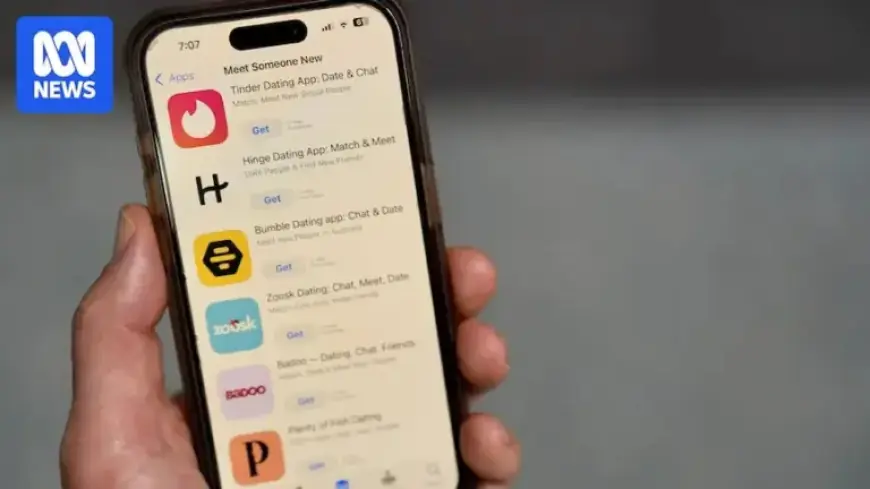
As Valentine’s Day approaches, authorities in Western Australia are raising awareness about the dangers of online romance scams. Last year, 63 individuals reportedly fell victim, losing around $3.8 million collectively. While this figure is lower than in previous years, it remains a significant concern. Attorney General Tony Buti emphasized the importance of meeting in person before sending any money to someone online, as there is a substantial risk that the person may not exist.
Understanding Romance Scams
Romance scammers typically target users on dating websites and applications. They craft fake profiles, complete with counterfeit names and images. These scammers often begin their manipulative behavior with a tactic known as “love bombing” — a barrage of messages intended to build a fabricated emotional connection.
Common Tactics and Red Flags
Mr. Buti outlined several warning signs to watch for when engaging in online relationships:
- Excuses for not meeting in person, such as being employed on an oil rig or in the military.
- Requests to keep the relationship secret from family and friends.
- Encouragement to communicate on encrypted messaging platforms.
- Requests for money, especially in the early stages of the relationship.
Scammers often utilize technology to disguise their true identity, including artificial intelligence, which poses a growing threat. According to Consumer Protection Commissioner Trish Blake, one woman almost fell victim to a deepfake during a video call, initially believing she was speaking with a genuine person from a dating app.
Statistics and Demographics
Romance scams disproportionately affect certain demographics, particularly individuals over 35, those with disabilities, and people seeking relationships after significant life changes, such as divorce or widowhood. While men often report these scams more frequently, women typically experience higher financial losses.
| Group | Total Loss ($) |
|---|---|
| Women | 20.1 million |
| Men | 13.3 million |
| Individuals aged 65 and over | 11.7 million |
On average, women lost about $36,091 per scam, while men lost approximately $17,089. Mr. Buti noted that many total losses are likely underreported due to the stigma associated with being scammed.
Protecting Yourself from Scams
To avoid becoming a victim, individuals are encouraged to take proactive steps. Here are some tips for safeguarding your online relationships:
- Use reverse image searches, such as Google Images or TinEye, to validate profile pictures.
- Take the time to build a relationship and get to know the person.
- Trust your instincts; if something feels off, it probably is.
This Valentine’s Day, be cautious and vigilant against romance scams. Protect yourself from potential financial loss and emotional distress by staying informed and aware of the signs of deceit in online relationships.