
























Long Beach Democrat Robert Garcia Condemns DOJ Tracking of Lawmakers' Epstein File Searches

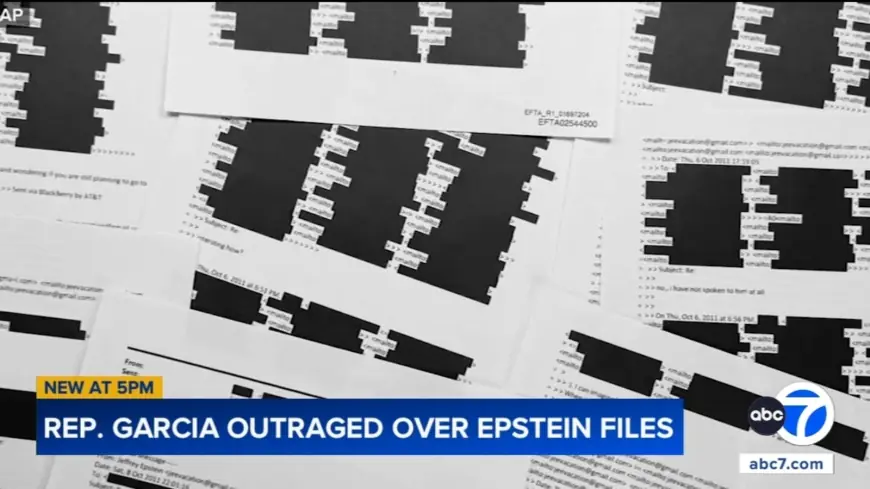
Rep. Robert Garcia said he was stunned to learn that the Justice Department was tracking what members of Congress searched for while reviewing unredacted files related to Jeffrey Epstein. Garcia called for the release of the remaining documents and renewed scrutiny of redactions that he said shield powerful figures from public view.
Garcia says searches were monitored during in‑person review
Garcia, a Democrat from Long Beach, spoke out after being granted in‑person access to unredacted files at the Department of Justice this week. He described the review process as taking place on DOJ computers inside a secure facility, and said he was not made aware that the department was recording search activity while lawmakers browsed the records.
"I had no idea that my searches were being tracked by our own government in secret, " Garcia said, adding that the discovery of the tracking system has deepened concerns about transparency and privacy for congressional oversight.
Redactions remain a central flashpoint
Garcia criticized the extent of redactions in the files, arguing that many names tied to wealthy or powerful figures were obscured despite rules that are supposed to limit when identifying information can be redacted. He said more than half of the Epstein files remain unreleased to both the public and Congress, a figure he described as unacceptable.
"There are enormous amounts of redactions of powerful wealthy men who are not supposed to be redacted as part of the law, " Garcia said, calling for a comprehensive release to ensure survivors and lawmakers can see the full record.
Attorney General and DOJ face bipartisan pressure
Attorney General Pam Bondi has drawn criticism from lawmakers across the political spectrum who argue the department mishandled sensitive information belonging to survivors and failed to uphold transparency standards. The tracking allegation has intensified calls for answers about who authorized the monitoring and how the search logs might be used.
Lawmakers are pressing for a clear accounting of what metadata was captured, who has access to search logs, and what safeguards exist to prevent misuse. Garcia emphasized that congressional oversight depends on trusted, unimpeded review of materials held by the executive branch.
Names in the files, including public figures, fuel debate
The files contain references to a range of individuals, and some public figures have already drawn scrutiny in media and advocacy circles. Garcia was asked about one such individual who has surfaced in email exchanges tied to Epstein; he said he had not personally seen evidence of criminal conduct in the items he reviewed and suggested decisions about any organizational ties are for those organizations to determine.
The controversy has also rippled beyond those directly named in the documents. Online and public conversation about the review process has featured searches and references to a range of lawmakers and personalities, with search terms like "rep massie" appearing in public chatter as people try to understand the scope of the material.
What comes next: transparency, reform, or more secrecy?
Garcia urged that the unreleased portion of the files be delivered to Congress and, where legally permissible, to the public. He framed the dispute as a matter of trust: if the department is shielding powerful individuals without legal justification, that undermines both survivors and the public interest.
Lawmakers will likely press for briefings and potentially legislative remedies to prevent similar handling of sensitive investigative files in the future. The DOJ faces a choice between fuller disclosure that could answer lingering questions, or continued limited access that risks further erosion of confidence among survivors and elected officials.
For now, the revelations about monitoring of search activity add a new layer to an already fraught review process and broaden the debate over how highly sensitive records should be managed when both oversight and victim privacy are at stake.