

























Mayor Rejects Controversial Ban on Intoxicating Hemp Products

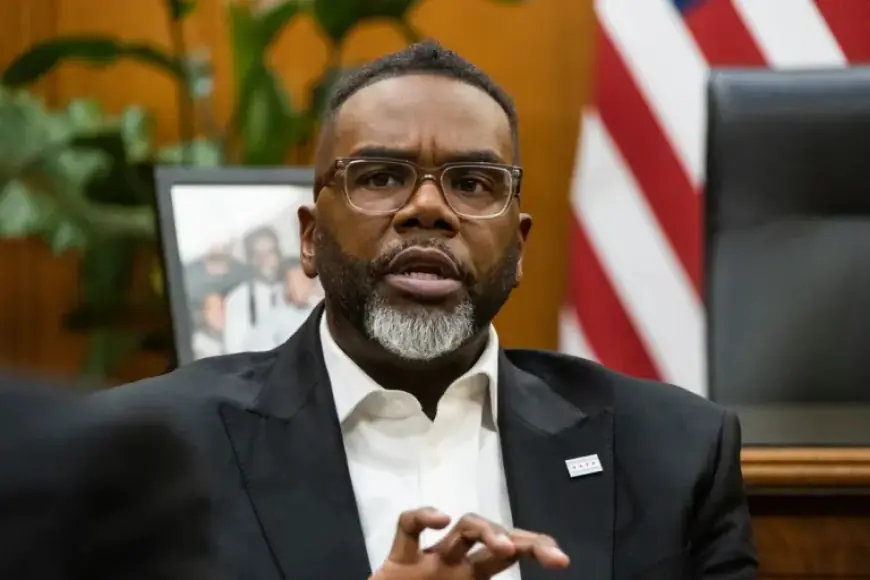
Chicago’s hemp products sector received a significant boost as Mayor Brandon Johnson vetoed a controversial ban on intoxicating hemp products. The decision, made on a deadline day, came after the City Council had previously approved the ban by a vote of 32-16.
Details of the Veto
The mayor’s veto represents his second use of this power during his term. Johnson previously vetoed a policy aimed at empowering the police to enforce “snap curfews.” Notably, this was the first mayoral veto since 2006.
Repercussions of the Ban
Had the ban been enforced, it would have severely affected local businesses reliant on hemp-derived products, including edibles, vapes, and flowers. Johnson stated that a city-wide prohibition on hemp products was “premature,” especially given a potential federal ban set to take effect later this year. This decision reflects an ongoing debate surrounding the hemp industry’s future amid regulatory challenges.
Community and Business Impact
- Local Concerns: Critics of the hemp industry, like Alderman Marty Quinn, have labeled hemp products as “shady,” indicating concerns about their appeal to children.
- Business Representatives: Hemp businesses expressed relief following Johnson’s decision, with leaders emphasizing the importance of developing responsible regulations rather than outright bans.
- Pressuring the Mayor: Business owners have actively campaigned, including holding press conferences and drafting letters to persuade the Mayor to support the industry.
Future Regulatory Landscape
While the mayor’s veto is a win for hemp businesses, the potential for a federal ban looms large. If enacted, this federal ban could complicate local regulations and the operational landscape for Chicago’s hemp industry.
The Way Forward
Chicago’s hemp industry continues to push for a regulatory framework that ensures consumer safety while permitting business growth. Many stakeholders, including Alderman Byron Sigcho-Lopez, have voiced that a ban would unfairly benefit larger corporations at the expense of small businesses.
In the aftermath of the veto, industry leaders, such as Craig Katz of the Illinois Healthy Alternatives Association, have expressed willingness to collaborate with city officials to establish balanced regulations.
As discussions continue, the future of intoxicating hemp products in Chicago remains uncertain, balancing community safety with economic sustainability.