
























Key Insights from the 2026 Bahrain F1 Test

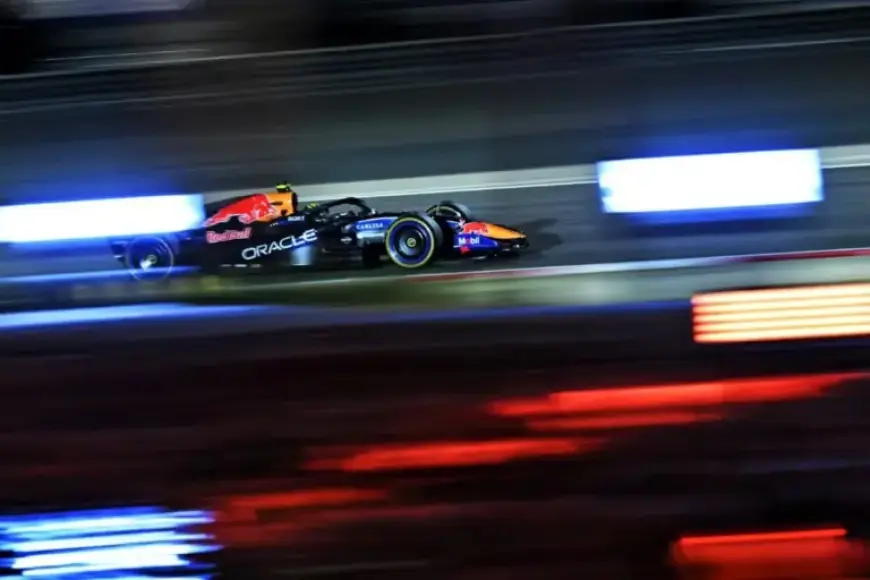
The 2026 Bahrain F1 Test at the Sakhir circuit was vibrant with storylines, insights, and performance revelations. Here are the key takeaways from the event. The opening week of official testing offered teams a chance to showcase their developments and strategies ahead of the new season.
Key Insights from the 2026 Bahrain F1 Test
Shifting Performance Narrative
Throughout the test, teams competed for the spotlight. Red Bull emerged as the fastest contender early on, while Mercedes fluctuated in pace. Ferrari and McLaren were also in the mix, indicating a tight battle among the top teams. Teams are keen to avoid the title of “fastest,” aiming to keep their real capabilities under wraps.
- Mercedes: Speculated to be concealing performance to mitigate potential rule changes regarding engine compression ratios.
- Red Bull: Praised for its new in-house engine; team members believe they are still behind Mercedes.
- McLaren: Seeking a competitive edge, focusing on their engine-car synergy in the new regulations.
Race Simulation Results
Race simulations conducted by various teams provided crucial data, albeit with some inconsistencies due to timing system issues. Notably:
| Stint | Driver | Tires | Laps | Average Time |
|---|---|---|---|---|
| 1 | Kimi Antonelli (Mercedes) | Soft | 16 | 1m40.128s |
| 1 | Lewis Hamilton (Ferrari) | Soft | 17 | 1m40.280s |
| 2 | Kimi Antonelli (Mercedes) | Hard | 12 | 1m38.547s |
| 2 | Lewis Hamilton (Ferrari) | Hard | 17 | 1m38.929s |
While Antonelli showed a slight edge in stint one, Hamilton’s performance on hard tires revealed a Mercedes advantage, although comprehensive data was lacking.
Concerns with Power Unit Start Procedures
Testing also revealed challenges related to the new 2026 starting procedures. Drivers face difficulties managing high-revving engines and battery levels. Several team principals are calling for revisions to the procedures amid fears of potential accidents at race starts.
Williams’ Recovery and Performance Dilemmas
Despite missing the Barcelona test, Williams excelled in mileage, completing over 22,000 kilometers. However, performance gaps remain evident as they aim for midfield competitiveness.
Aston Martin’s Struggles
Aston Martin, touted for potential, faced numerous challenges, struggling for pace and reliability during the tests. As they prepare for the next testing session, significant improvements are essential to align with expectations.
Haas’ Midfield Competitiveness
Haas capitalized on the challenges facing other teams, demonstrating a solid performance in Bahrain. Their reliability and mileage indicate they may lead the midfield bracket.
Cadillac’s Promising Debut
Making its presence felt, Cadillac logged significant mileage and showed encouraging pace on track, establishing a strong groundwork for future performance.
Audi’s Development Progress
Audi unveiled its revised 2026 car, displaying notable aerodynamic changes. While not groundbreaking, the adjustments suggest room for performance improvements as the team adapts.
Qualifying Strategy Adjustments
Teams are re-evaluating tire management strategies for qualifying due to the high demands of new tires and battery levels. Early indications hint at the possibility of double preparation laps becoming a norm.
The Bahrain F1 Test provided teams insight into their competitive standings. As the countdown to the start of the season continues, expectations will rise for the upcoming races.