





















RFK Jr.’s First Year Fails to Restore Trust in U.S. Health Care

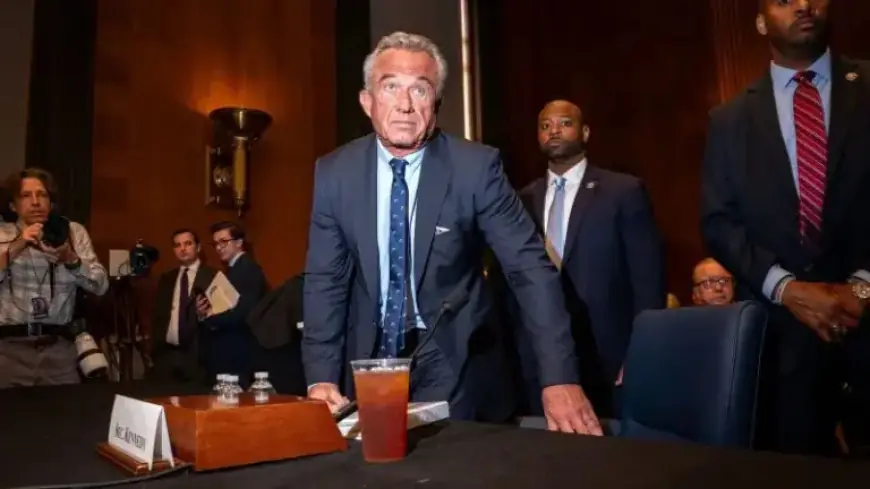
In his inaugural speech on February 13, 2025, President Donald Trump emphasized the urgent need to restore public trust in U.S. health agencies. He had appointed Robert F. Kennedy Jr. to lead the Department of Health and Human Services (HHS) with a promise of significant reforms. However, a year into Kennedy’s leadership, trust in government health institutions is reportedly at an all-time low.
Declining Trust in U.S. Health Care
According to data from KFF, trust in federal health agencies has decreased across political lines during RFK Jr.’s tenure. Initially, 59% of respondents believed the CDC was a reliable source of health information; that figure fell to 47% in recent polls, with Democrats’ trust dropping from 70% to 55% and Republicans from 51% to 43%.
Public Health Concerns
Experts express growing concern about public health risks under Kennedy’s leadership. Dr. Jason Schwartz from Yale stated that current federal public health leaders are now the greatest threat to controlling vaccine-preventable diseases, including measles and whooping cough. Texas officials reported a resurgence of measles, with a child recently dying from the outbreak—a disturbing milestone as it marked the first measles death in a decade.
- Initial CDC reliability: 59% (before Kennedy’s leadership)
- Decline in CDC trust: 47% (one year later)
- Decrease in trust among Democrats: from 70% to 55%
- Decrease in trust among Republicans: from 51% to 43%
Kennedy’s Controversial Actions and Policy Changes
Kennedy’s approach has involved substantial restructuring within health agencies. On his second day in office, he dismissed thousands of employees from the CDC, FDA, and NIH in a move labeled the Department of Government Efficiency purge. This shake-up included firing all 17 members of the CDC’s vaccine advisory panel, prompting strong reactions from experts regarding public health expertise.
Challenges Facing the CDC
Currently, the CDC remains without a confirmed director after the White House withdrew Dr. David Weldon’s nomination. His nomination failed amid concerns over his vaccine safety views. In the months following, Kennedy appointed Dr. Susan Monarez, who was ousted after disagreeing with him on vaccine policies.
On a troubling note, a shooting incident at CDC headquarters highlighted public distrust in health messages. The shooter had previously expressed discontent regarding vaccine policies, leading many current and former HHS employees to urge Kennedy to cease spreading misinformation about health issues.
Vaccine Policy and Research Grants
Under Kennedy’s administration, significant changes have been made to the childhood vaccination schedule. Adjustments have aligned U.S. recommendations more closely with those of countries like Denmark, reducing the number of routinely recommended vaccinations from 17 to 11. Critics argue that this could lead to public health risks.
- Reduction in vaccines recommended for children: from 17 to 11
- Potential loss of measles elimination status after 26 years
The cancellation of numerous research grants has raised alarms among health professionals. Dr. Michael Osterholm criticized the shift away from evidence-based processes, warning of the repercussions from decreased vaccination rates and rising outbreaks.
The Path Ahead
In December 2025, Kennedy appointed Dr. Ralph Abraham as principal deputy director of the CDC, but skepticism remains about their ability to address the growing health crises. Amid ongoing debates over vaccination policies, Kennedy faces challenges reconciling public discourse with scientific consensus.
While some supporters hail the “Make America Healthy Again” program, experts caution that lingering distrust may undermine all positive initiatives aimed at improving public health. The long road ahead for Kennedy will depend heavily on his ability to regain trust in American health care.