




















James Van Der Beek GoFundMe Surges Past $2 Million as Fans and Hollywood Rally Around His Wife and Six Children

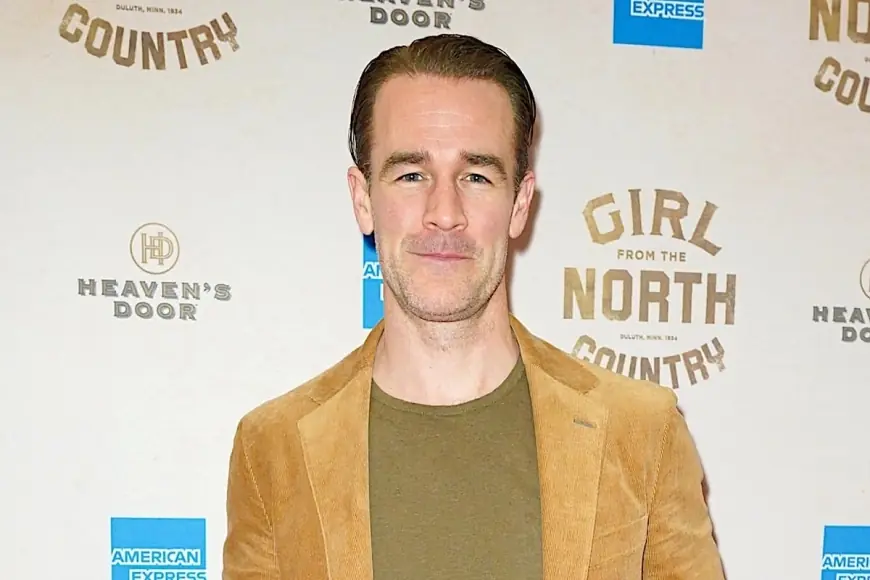
A GoFundMe campaign created to support the family of actor James Van Der Beek has rapidly climbed past the $2 million mark in the days following his death on Wednesday, February 11, 2026, prompting a wave of renewed attention to how even high-profile families can be financially destabilized by prolonged medical crises. The fundraiser, launched by friends of the family, cites the cumulative cost of cancer care and the need to help his wife, Kimberly, and their six children maintain stability in the months ahead.
What happened with the James Van Der Beek GoFundMe
The fundraising page describes a family facing a double burden: grief and financial strain. Donations accelerated quickly after the news of Van Der Beek’s death spread, with a mix of large, high-visibility gifts and tens of thousands of smaller contributions. One of the largest disclosed donations tied to the campaign is a $25,000 contribution from filmmaker Steven Spielberg, alongside other notable gifts and at least one sizable anonymous donation that helped push the total beyond its initial goal.
The campaign’s public framing is straightforward: the household is trying to remain in their home, keep the children’s schooling steady, and cover costs linked to an extended medical fight.
Behind the headline: why this story is resonating now
This is not just a celebrity fundraising story. It is also a stress test of assumptions many people hold about wealth, insurance, and long-term medical expenses in the United States.
Two realities collide here. First, serious illness can create years of compounding costs: out-of-pocket expenses, gaps in coverage, experimental or specialized care, travel for treatment, caregiving time, and lost earning capacity. Second, entertainment income can be irregular. Even recognizable actors can experience feast-and-famine pay cycles, and the years most impacted by illness are often the years with the least ability to work.
The timing also matters. A public fundraiser, launched immediately after a death, often becomes a focal point for collective mourning. The donation becomes a message: you mattered, your family matters, and we want your children to be okay.
Incentives and constraints: why donors and organizers move fast
For organizers, speed is the lever. The first 48 to 72 hours after major news breaks are when attention is highest, and early momentum can create a bandwagon effect that drives more support.
For donors, incentives vary:
-
Personal grief and a desire to help immediately
-
Social signaling, especially for public figures whose gifts become part of the story
-
A genuine fear-of-future feeling: if it can happen to them, it can happen to anyone
-
A wish to provide certainty for children when the family’s financial horizon has suddenly changed
The constraints are just as important. Fundraising totals do not automatically translate to long-term security. Taxes, fees, ongoing living expenses, and the future cost of education and housing can be enormous across six children.
Stakeholders: who is affected and who has leverage
-
Kimberly and the children: Stability, privacy, and time to grieve are the priorities, alongside near-term bills and longer-term planning.
-
Friends organizing the fundraiser: They carry reputational responsibility for accuracy, transparency, and ongoing updates.
-
Donors: Many want assurance that funds are used as intended and that the family has a real plan beyond the initial surge.
-
The entertainment industry: The story reopens debates about health coverage, residual income volatility, and how colleagues support one another during crises.
-
The broader public: It sharpens anxieties about catastrophic healthcare costs and the fragility of middle-to-upper income security.
What we still don’t know
Even with a public fundraising page, key details are typically unclear:
-
The full breakdown of medical costs versus ongoing living expenses
-
Whether there are outstanding debts, liens, or long-term contractual obligations
-
The family’s longer-term income picture, including insurance payouts, residuals, and estate planning
-
How the organizers plan to communicate updates while protecting the children’s privacy
Those missing pieces matter because they determine whether the campaign is a bridge to stability or a short-term relief fund.
What happens next: realistic scenarios to watch
-
Fundraising plateaus, then steadies: The total may rise quickly for a week, then slow, with periodic spikes tied to tributes or memorial events.
-
Public updates become less frequent: As the family turns inward, communication may shift to fewer, more general statements focused on gratitude rather than specifics.
-
A longer-term trust structure emerges: The family or organizers could formalize how funds support housing, schooling, and childcare over multiple years.
-
Backlash risk appears: Large totals sometimes trigger online skepticism. The most effective mitigation is clear, privacy-respecting transparency.
-
A broader policy conversation returns: High-profile medical-cost stories often revive public debate about coverage gaps and financial exposure during prolonged illness.
Why it matters
The James Van Der Beek GoFundMe is a case study in how quickly a family’s financial footing can change when serious illness collides with unpredictable income and years-long care needs. It also shows how modern public grieving has merged with mutual aid: fans and peers turn sympathy into tangible support, aiming to buy a surviving family time, stability, and choices when they need them most.