

























UK Investor, Bank of Africa Support Nigeria’s Rural Solar Grids

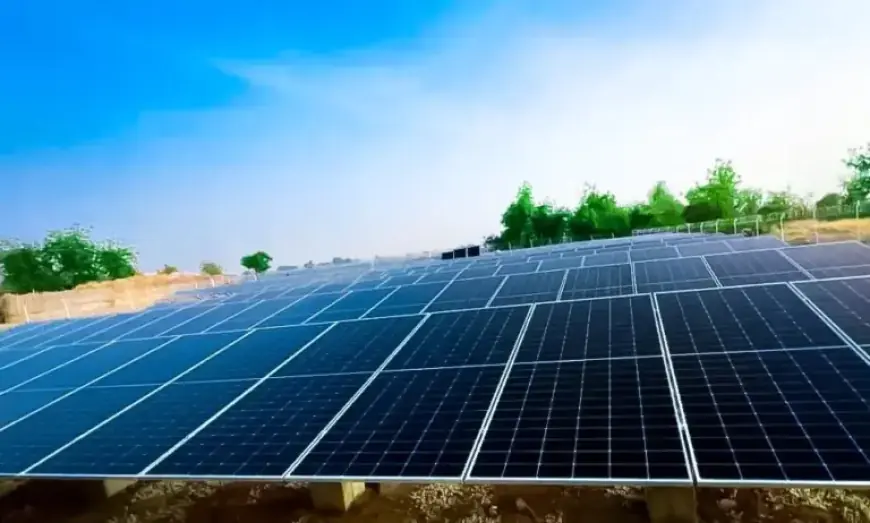
Recent developments highlight a significant partnership aimed at enhancing renewable energy in Nigeria. UK investors and the Bank of Africa are joining forces to support rural solar grid projects across the country. This initiative marks a crucial step towards sustainable energy solutions in underserved areas.
Partnership between UK Investors and Bank of Africa
The collaboration emphasizes the need for clean energy accessibility in Nigeria’s rural regions. By focusing on solar technology, this initiative aims to provide reliable electricity to communities that lack sufficient power infrastructure.
Objectives of the Initiative
- Expand access to solar energy in rural areas.
- Promote sustainable development through renewable energy solutions.
- Attract further investment in Nigeria’s energy sector.
Impact on Nigerian Communities
Many rural areas in Nigeria struggle with inadequate energy supply. The introduction of solar grids can significantly improve living conditions, support local businesses, and drive economic growth. This investment is expected to enhance educational opportunities and healthcare access as well.
About the Bank of Africa
The Bank of Africa has been instrumental in financial initiatives across Africa. With a strong presence in the region, it aims to facilitate investments that support sustainable developments. This partnership with UK investors aligns with its mission to promote equity and environmental responsibility.
Significance of Renewable Energy in Nigeria
Nigeria has abundant solar energy potential. Taking advantage of this resource can reduce reliance on fossil fuels and decrease carbon emissions. The solar grid projects supported by UK investors and the Bank of Africa are crucial steps toward achieving a greener future.
Overall, this initiative represents a forward-thinking approach to addressing energy challenges in Nigeria. By harnessing solar power, UK investors and the Bank of Africa are not only investing in infrastructure but also fostering improvements in the quality of life for many Nigerians.