

























Analyzing Hardline Jamaat-E-Islami’s Setback in Bangladesh Elections

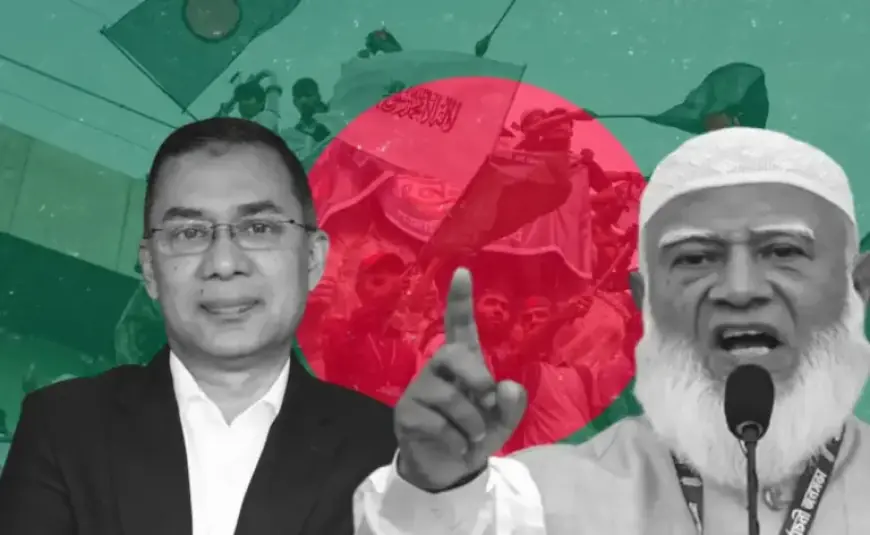
In the recent Bangladesh general elections held on February 12, the Bangladesh Jamaat-e-Islami party faced an unexpected setback. Initially projected to achieve a significant electoral performance, the party’s expectations dwindled as the opposition, led by the Bangladesh Nationalist Party (BNP), claimed victory.
Bangladesh Jamaat-e-Islami and the Election Outcome
Jamaat-e-Islami, once seen as poised for a strong showing, expressed dissatisfaction with the electoral process shortly after the polls closed. The party raised concerns regarding the integrity of the election results, calling for patience among its supporters as official results were awaited. Despite these statements, the political momentum shifted firmly in favor of the BNP, which officially announced its victory.
The Rise and Fall of Expectations
Following the street protests in July 2024 that resulted in the ouster of the Awami League government, Jamaat appeared to gain organizational strength. With the ruling party banned from contesting, Jamaat seized the opportunity to position itself more prominently in Bangladesh’s political landscape. Many believed this would lead to Jamaat’s significant electoral success.
However, the party’s early advantages waned significantly as the campaign progressed. Young voters, who were instrumental in the earlier protests, overwhelmingly supported the BNP. Minority groups and women also flocked to the opposing party, underscoring Jamaat’s inability to attract these critical demographics.
The Role of the United States
Jamaat’s electoral campaign was further complicated by reports of U.S. diplomats engaging with the party. A Washington Post article suggested that American officials were attempting to build ties with Jamaat, which elicited strong reactions from BNP leaders. Concerns were raised about the implications of such interactions, with accusations that Jamaat had established secret agreements that could jeopardize Bangladesh’s stability.
Despite the speculation, Jamaat characterized its discussions with foreign diplomats as routine. The party highlighted its focus on ensuring a fair electoral process and mutual cooperation regarding trade and democratic values.
The Historical Context of Jamaat-e-Islami
Founded in 1941 by Syed Abul Ala Maududi, Jamaat-e-Islami has a controversial past. The party opposed Bangladesh’s independence during the 1971 Liberation War and was associated with numerous acts of violence. After being banned shortly after independence, it re-entered the political arena in 1979, eventually securing government positions.
Through the years, Jamaat faced significant legal challenges, including the cancellation of its registration due to constitutional inconsistencies. Nevertheless, it attempted a rebranding following the 2024 protests, presenting itself as a champion of minority rights and promoting a vision for a more inclusive Bangladesh.
Shifts in Strategy and Messaging
In a bid to appeal to a broader audience, Jamaat moderated its stance on sensitive issues like Sharia law and emphasized a narrative of unity. Its leaders, including Shafiqur Rahman, advocated for a corruption-free Bangladesh and reinforced the message that the party sought to empower the people rather than a specific family or elite group.
Despite these efforts, lingering concerns about its historical violence, treatment of women, and political misconduct continue to affect public perception of the party. The Jamaat’s future in Bangladesh’s evolving political landscape remains uncertain as it navigates the aftermath of this electoral setback.