

























Is Formula 1’s Promised Era Delivering Truly Enjoyable Cars?

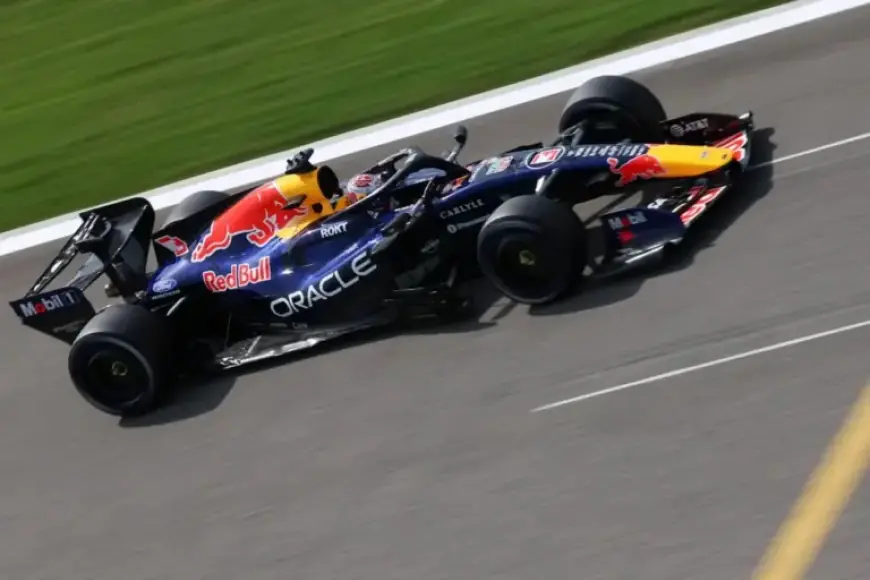
Formula 1 is on the verge of a transformative period set to begin in 2026. The anticipated changes involve a complete redesign of cars and the introduction of new engines. This significant overhaul is expected to enhance the sport’s appeal while integrating sustainable technologies. Major automotive manufacturers, including Ford, Audi, and Honda, have shown renewed interest due to these advancements.
Concerns Surrounding Enjoyment of New Cars
As preseason testing took place in Bahrain, drivers expressed mixed feelings about the new vehicles. Max Verstappen, the reigning four-time world champion, voiced serious criticisms about the cars. He described the experience as “not a lot of fun,” likening it to “Formula E on steroids.” His main concern centered on the energy management required by the new engines.
Technical Shifts in Engine Power
The forthcoming regulations introduce a substantial increase in electrical power usage. The split between engine power and hybrid systems is shifting from 80/20 to nearly 50/50. Consequently, drivers must now adopt new tactics to manage the limited energy, which some feel compromises the traditional racing experience.
Driver Reactions
While Verstappen criticized the technical demands, other drivers had varied responses. Charles Leclerc from Ferrari initially feared the cars might be “less enjoyable to drive.” However, after testing in Barcelona, he noted a refreshing change and saw potential benefits in the new designs. In contrast, Lewis Hamilton expressed some enjoyment but emphasized the complexity that might alienate fans. He stated, “It’s ridiculously complex. None of the fans are going to understand it.”
- Max Verstappen: “The whole way of racing is changing.”
- Charles Leclerc: Found opportunities for creative driving in the new setup.
- Lewis Hamilton: While he enjoys some aspects, highlighted the complexity of the changes.
Different Perspectives on the New Era
Some drivers, like Liam Lawson, acknowledged the difficulty of adapting to the new cars. Despite this, opinions varied. Lando Norris defended the changes, stating, “Formula 1 changes all the time.” He emphasized that adaptation could lead to new performance levels over time.
Historical Context
This is not the first time F1 has faced criticism after implementing substantial regulatory changes. Similar sentiments were expressed in 2014 when the sport transitioned from V8 engines to V6 hybrids. With time, however, the performance and excitement of F1 improved significantly.
As F1 enters this new era, the focus remains on how drivers, teams, and fans will respond to the evolving landscape. The key will be adapting while retaining the core values that define the sport. Experienced drivers like Nico Hulkenberg recognize that while the rules and designs may change, the essence of racing remains intact.