






















Daryl Hannah’s Past With JFK Jr. Revisited as ‘Love Story’ Puts Their Romance Back in Focus

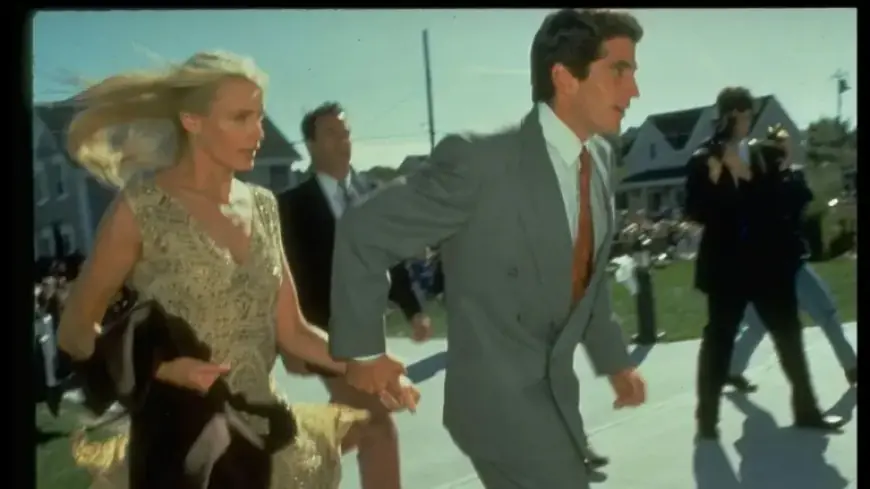
A new limited series dramatizing the whirlwind life of John F. Kennedy Jr. and Carolyn Bessette premiered on February 12 (ET), drawing fresh attention to an earlier, turbulent chapter: JFK Jr.’s years-long, on‑again, off‑again relationship with Daryl Hannah. As the show revisits that high-pressure era, Hannah’s own journey—from 1980s screen stardom to outspoken environmental activism—returns to the cultural conversation.
From Hollywood Breakout to High-Profile Match
Hannah surged into public view in the early 1980s, first as Pris in Blade Runner and then as the mermaid Madison in the 1984 hit Splash. A string of marquee roles followed, including turns opposite Robert Redford, Steve Martin, Charlie Sheen, Dolly Parton, and Sally Field, cementing her as a defining face of the decade.
She and Kennedy first crossed paths as young adults in the Caribbean and reconnected years later at a family wedding in 1988. Their romance unfolded in the full glare of cameras—romantic, glamorous, and relentlessly scrutinized. For roughly five years, the couple drifted together and apart, a pairing that blended Hollywood cachet with American dynasty mystique.
Inside a Relationship Strained by Public Pressure
The late stages of the relationship coincided with mounting personal stress for Kennedy as his mother’s health declined. By 1994, the couple had split for good. Friends in his circle have recalled tensions over priorities and timing in those final months, painting a portrait of two people struggling to connect as life events pulled them in different directions.
In the wake of the breakup, Kennedy moved forward, beginning a relationship with Carolyn Bessette later that year; the two were engaged in 1995 and married in 1996. Hannah, meanwhile, stepped back from the tabloid swirl and concentrated on her work, her causes, and life outside the center ring of celebrity attention.
How the New Series Portrays Hannah
The limited series, titled Love Story: John F. Kennedy Jr. and Carolyn Bessette, zeroes in on the romance that followed Hannah’s chapter, yet still threads her presence into its tapestry. Dree Hemingway portrays Hannah, offering a window into the complicated overlap between private life and public fascination. The production’s broader ensemble includes depictions of the Kennedy family’s inner circle, situating Hannah’s role within a larger look at legacy, marriage, and unrelenting fame.
While the show spotlights the Bessette years, it inevitably revives the questions that once surrounded Hannah and Kennedy: Could any relationship withstand that level of attention? And how do individual ambitions, grief, and obligation shape the end of a love story that once seemed destined for the altar?
Beyond Stardom: Activism, Adversity, and Reinvention
Even as her blockbuster pace cooled in the 1990s, Hannah kept working—later earning a memorable turn as the lethal Elle Driver in the Kill Bill films and taking on roles that favored distinctiveness over scale. Her focus broadened well beyond acting, however, as she embraced environmental activism, sometimes at significant personal cost. She has spoken about arrests during protests and the isolating routines of brief stints in custody, describing the experience as both frightening and monotonous, yet worth the risk for causes she believes in.
In the years that followed, Hannah added her voice to the early wave of #MeToo testimonies, detailing harassment she experienced and the professional fallout she believes stemmed from rebuffing powerful men. In 2013, she publicly shared that she had been diagnosed with autism as a child—offering context for her lifelong preference for privacy amid the noise of celebrity.
Where She Is Now
Hannah has continued to act selectively while building a life grounded in advocacy, creativity, and relative seclusion from the red-carpet circuit. She began a relationship with musician Neil Young in 2014; the two married in 2018. She has not publicly addressed Kennedy’s 1999 death, and she tends to let her work and activism speak for themselves.
With Love Story re-centering a pivotal 1990s moment, audiences are seeing a composite of Hannah as both character and person: a once-ubiquitous movie star who navigated national fascination, personal upheaval, and a recalibrated sense of purpose. The renewed spotlight may be loud, but its subject remains characteristically quiet—content to let the past sit where it is, while she keeps moving forward.