

























West Bengal Records First Nipah Death in Recent History

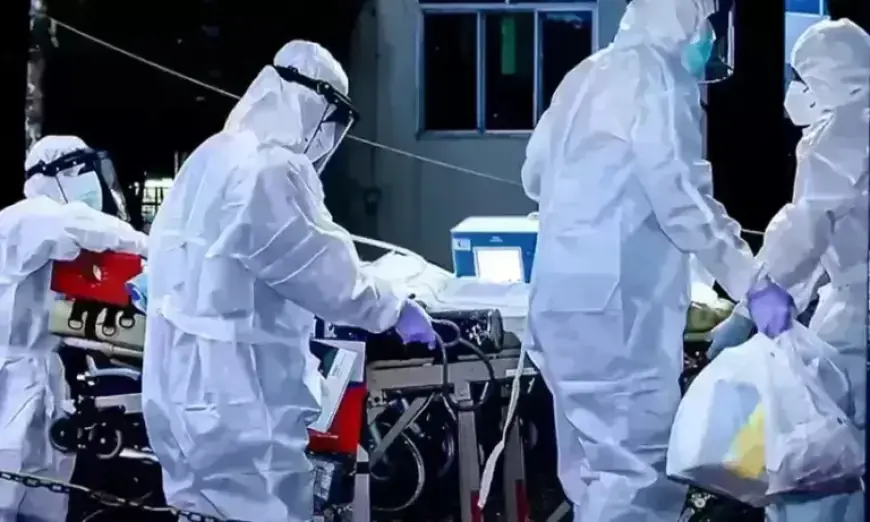
West Bengal has reported its first Nipah virus-related death, marking a significant health concern in the region. A nurse who was undergoing treatment in a critical care unit at a Barasat hospital in North 24 Parganas passed away due to complications from the virus. Health officials noted that she developed a secondary lung infection during her illness.
Nipah Virus Cases in West Bengal
In addition to the deceased nurse, another nurse has also been diagnosed with the Nipah virus and remains under medical care at the same facility. These two individuals have been identified as the only confirmed cases in West Bengal. The state’s Health Department has assured the public that no new cases have been reported beyond these two.
Contact Tracing and Testing
Health authorities conducted comprehensive contact tracing to identify anyone who may have been exposed to the nurses. As a precaution, samples from all identified individuals were collected and tested. Fortunately, all test results returned negative, confirming that there were no additional cases linked to the affected nurses.
Understanding Nipah Virus
- The Nipah virus is primarily transmitted by bats.
- Transmission can also occur through consuming fruit contaminated by bat saliva.
- The World Health Organization (WHO) indicates that pugs may also carry the virus.
The Nipah virus poses a severe health risk with an average mortality rate exceeding 50%. Early detection significantly increases recovery chances. Symptoms initially mimic those of common fevers, escalating to convulsions, sore throats, and severe difficulty breathing. In critical cases, patients may fall into a coma.
Treatment and Ongoing Research
Currently, there is no specific treatment protocol for Nipah virus infections. Research efforts are underway to develop an effective vaccine. In light of this recent incident, continued vigilance and communication from health authorities are essential in preventing further infections.