











Ukrainian Athlete Disqualified from Winter Olympics for War Memorial Helmet

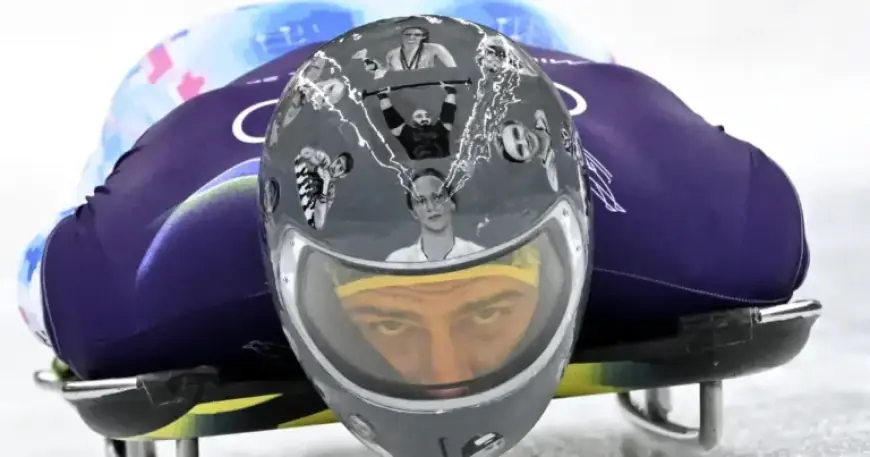
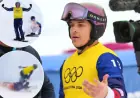
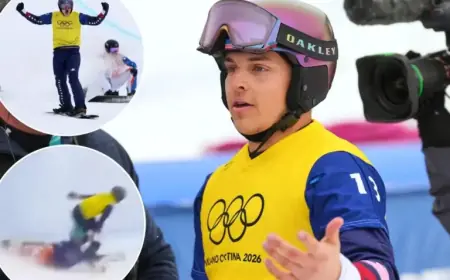
A Ukrainian athlete has faced disqualification from the Winter Olympics due to his helmet honoring victims of the war in Ukraine. Skeleton racer Vladyslav Heraskevych, who served as the flag bearer for Ukraine, was barred from competing at Milano Cortina 2026 for not adhering to guidelines set by the International Olympic Committee (IOC).
Background of the Disqualification
The disqualification was confirmed by the IOC on a recent Thursday. Heraskevych was informed shortly before his scheduled appearance in the men’s skeleton competition, where he was considered a strong contender for a medal. Despite being at the venue and preparing his sled for the race, he was notified of the ruling.
Heraskevych’s Reaction
Describing the experience as “surreal,” Heraskevych expressed that he felt unfairly treated. “To back down would be betraying those who are memorialized on my helmet,” he stated.
Legal Challenge
Following his disqualification, Heraskevych filed an appeal with the Court of Arbitration for Sport. He argues that the ruling is disproportionate, has no basis in technical or safety violations, and causes irreparable damage to his sporting career. His application seeks to overturn the federation’s jury decision.
Details on the Helmet
The helmet in question featured images of Ukrainian athletes who lost their lives due to the ongoing conflict with Russia. The IOC stated the helmet violated rules against political expressions in the Olympics. Heraskevych insisted the helmet serves as a tribute rather than a political statement. He wore it during training sessions without issue.
Support from Ukrainian Officials
The Ukrainian government condemned the disqualification as a “moment of shame” for the IOC. Ukrainian President Volodymyr Zelenskyy emphasized that the Olympic movement should promote peace, highlighting Heraskevych’s bravery. The support from both the President and the public underscored the athlete’s significance in representing his country.
Reactions from the International Community
Heraskevych noted the support he received from fellow athletes, illustrating solidarity among the Ukrainian contingent. He called attention to the IOC’s perceived inconsistencies, pointing out that other athletes have not faced penalties for self-expression.
Olympic Guidelines on Political Expression
According to Rule 50.2 of the Olympic Charter, any form of political or religious propaganda is prohibited at Olympic events. The IOC’s stance on Heraskevych’s helmet focused on where expressions could take place, rather than the message itself.
Final Thoughts
As the situation develops, Heraskevych remains committed to his cause, stating that honoring the names and memories depicted on his helmet transcends the pursuit of medals. His actions have sparked a broader conversation about the intersection of sports and social issues at international events.