






















“Veering West: Netflix Soars While Flood Blame Sinks”

In a recent exploration of modern media and environmental events, the contrast between Netflix’s success and the failure to address flooding issues has sparked significant discussions.
Netflix’s Resilience Amidst Environmental Challenges
As streaming services thrive, Netflix continues to dominate the entertainment landscape. Their live event programming, such as the thrilling “Skyscraper Live,” captivates audiences with extraordinary feats. This live display featured renowned climber Alex Honnold’s remarkable ascent of Taipei 101, which stands at a staggering 508 meters. The event showcased not only Honnold’s climbing skills but also captured viewers’ imaginations and boosted Netflix’s popularity.
Record-Breaking Accomplishments
- Alex Honnold’s climb occurred at Taipei 101, the world’s 11th tallest building.
- The building reaches an impressive height of 508 meters.
- Many viewers found the live event both exhilarating and nerve-wracking.
This spectacular achievement by Honnold signifies not only personal triumph but also the heights of joy that streaming content can offer during challenging times.
Blame Game: Politics and Flooding Issues
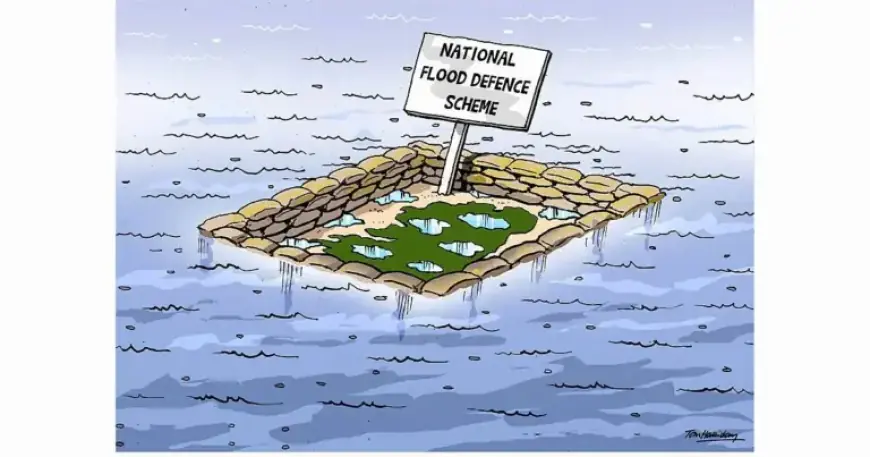
Meanwhile, environmental conditions led to severe flooding in parts of Ireland, fueling political debates. Minister for Housing, James Browne, publicly criticized Met Éireann for its handling of weather warnings before Storm Chandra hit Wexford. Despite issues with infrastructure and preparedness, officials shifted focus to the meteorological agency’s communication methods.
Key Points Raised
- Criticism of Met Éireann for insufficient warnings.
- Warnings from the agency have included multiple color-coded alerts.
- Local groups, such as the Ballyboden Tidy Towns Group, have been unfairly blamed for flooding incidents.
This response illustrates a growing trend in politics where officials evade accountability, instead pointing fingers at others when disasters occur. Even with timely alerts, the effectiveness of communication is diminished without adequate infrastructure to back it up.
The Case for Change: Learning from Warnings
The discussion extends to broader societal issues, especially around technology and its impact on youth. Former TD Jim Daly previously raised concerns over children’s internet usage, social media, and mental health. His early warnings were often dismissed but are now increasingly recognized as pressing matters.
- Daly proposed restricting smartphone access for children under 14.
- His message regarding digital awareness is gaining traction amid rising mental health concerns.
This shift points to a crucial need for proactive strategies rather than reactive politics. As society grapples with modern challenges, learning from past insights may prove invaluable.
In conclusion, while Netflix continues to soar with innovative programming, the blame placed on weather agencies during crises signifies deeper issues in governance and preparedness. A balanced approach prioritizing accountability and infrastructure investment is essential for fostering resilience against future environmental challenges.