

























SAVE America Act’s Citizenship Voting Rule Lacks Constitutional Basis, Ignores State Precedents

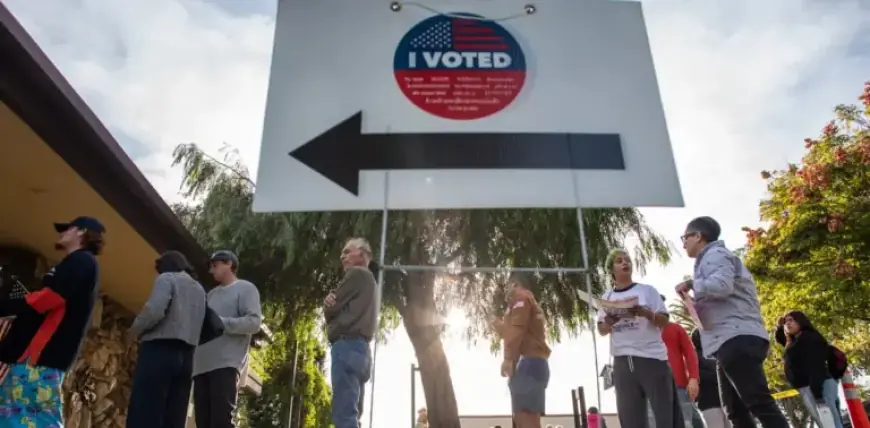
The House of Representatives, under Republican leadership, approved the Safeguard American Voter Eligibility Act (SAVE America Act) on February 11, 2026. This legislation mandates that individuals provide proof of U.S. citizenship when registering to vote and additionally verify their citizenship through photo identification at polling stations. This marks the third consecutive year the House has passed similar versions of this bill.
The SAVE America Act’s Key Provisions
The SAVE America Act imposes several stringent requirements on voters:
- Voters must show documentary proof of U.S. citizenship when registering.
- Accepted documents include U.S. passports, birth certificates, and military IDs.
- Individuals must present photo ID verifying citizenship when voting, unless their state shares voter registration data with the Department of Homeland Security quarterly.
Potential Impact on Voter Participation
Critics argue that these requirements could disenfranchise millions, particularly in low-income and minority communities. Currently, around 21 million voting-age Americans lack a driver’s license, which could hinder their ability to vote under the new regulations.
Voting rights advocates warn that such measures may disproportionately affect those already facing barriers to the electoral process.
Constitutional Concerns Surrounding the SAVE America Act
One of the fundamental questions raised by the SAVE America Act is its constitutionality. The U.S. Constitution does not specify citizenship as a requirement for voting. Historically, individual states have been granted the authority to determine voter eligibility for both state and federal elections.
State vs. Federal Authority
The SAVE America Act could create conflicts between state laws and federal mandates. For example, many states have previously allowed noncitizens to participate in local elections. If states were to extend voting rights to legal permanent residents, this could conflict with the provisions outlined in the SAVE America Act.
Political Motivations Behind the Bill
The legislative push for the SAVE America Act stems from concerns among Republican lawmakers regarding noncitizen voting. Every co-sponsor of this bill is a Republican, reflecting a party-wide focus on enhancing election security.
However, critics highlight that Congress may not possess the authority to enforce such voter qualifications as per the U.S. Supreme Court’s interpretation of election laws.
Next Steps for the SAVE America Act
Should the Senate approve the SAVE America Act, it is likely to receive President Trump’s signature, given his administration’s stance on election policies. The potential legal implications of this legislation will then need to be addressed by the courts, posing questions about its alignment with the constitutional framework.