

























Explore the Electronics: Inside Your Boat’s “Brain”

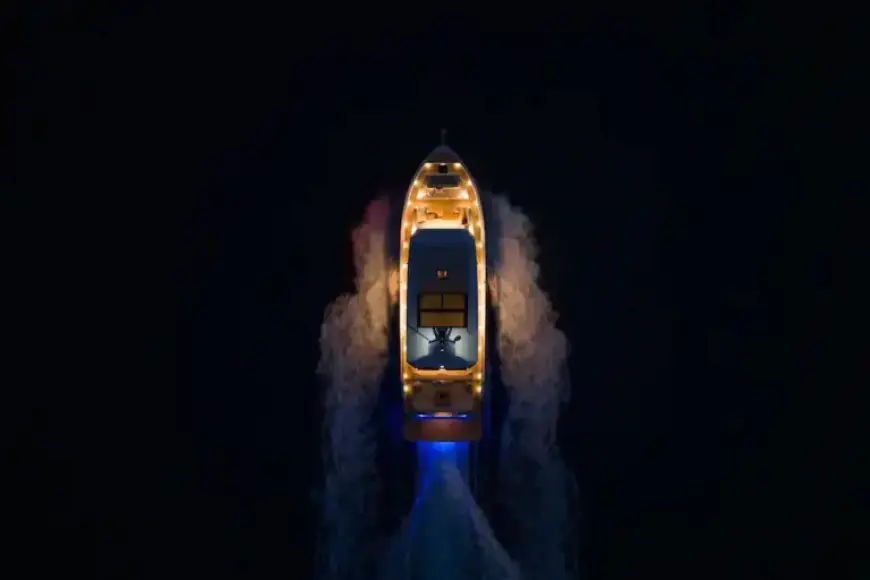
The integration of electronics has transformed boating significantly over the past two decades. Previously, navigation relied heavily on experience and basic analog instruments. Now, even the smallest vessels are equipped with complex electronic ecosystems that enhance safety, comfort, and efficiency.
Explore the Electronics: Inside Your Boat’s “Brain”
Understanding and selecting the right electronic tools for navigation is crucial. This includes chartplotters, GPS systems, depth sensors, and wind indicators—all of which work together through the NMEA 2000 data network. This integration allows for a consolidated view of information, improving decision-making during navigation.
Essential Navigation Tools
- Chartplotters: Offer layered cartography that includes underwater terrain, weather updates, and the position of nearby vessels.
- GPS: Crucial for accurate positioning and route planning.
- Depth Sensors: Provide real-time depth readings crucial for safe navigation.
- Wind Indicators: Assist sailors in predicting wind conditions for optimal sailing strategies.
Modern Displays
Multi-Function Displays (MFDs) are essential aboard modern vessels. They gather and process data from various sources, ensuring sailors can easily access important information such as speed, depth, and engine efficiency.
Energy Management Solutions
With boats becoming increasingly energy-dependent, effective energy management is vital. Solutions like the Fathom e-Power from Navico provide battery management systems that minimize reliance on generators, enhancing onboard comfort without the disruptive noise and emissions often associated with traditional generators.
Remote Monitoring Systems
Innovative monitoring systems have emerged, allowing boat owners to check their vessel’s status from afar. Dubbed “barcotica,” these systems enable remote access to critical metrics like battery levels, temperature, and even security alerts, making it easier for owners to maintain peace of mind.
Safety and Navigation Enhancements
The Automatic Identification System (AIS) is one of the most revolutionary tools in maritime safety. It helps vessels communicate their position and course, enhancing situational awareness, especially in low visibility conditions.
Advanced Radar and Thermal Imaging
Radar remains fundamental for navigating in challenging conditions. Modern radars feature advanced functionalities, while thermal cameras gain traction for spotting obstacles in complete darkness. Integrating these technologies strengthens safety by providing a comprehensive overview of the surroundings.
Weather Information Systems
Weather monitoring is crucial for safe navigation. Various tools, such as satellite connections for real-time weather updates and traditional radio systems, allow sailors to adapt their plans based on current conditions.
Fishing Technology
Electronics in fishing have become paramount. Modern fish finders, utilizing CHIRP technology, allow for detailed mapping of underwater structures and fish patterns, significantly improving fishing success rates.
The Future of Boating Technology
As technology evolves, artificial intelligence is poised to revolutionize maritime navigation further. AI can help with real-time object detection and navigation optimization, promising safer and more efficient boating experiences.
In summary, the modern electronic systems on boats serve as a crucial backbone, ensuring safer, more efficient, and enjoyable sailing experiences. For enthusiasts and professional mariners alike, understanding and leveraging these technologies is essential for successful navigation.