





















Judge Prevents Pentagon from Lowering Sen. Mark Kelly’s Military Rank and Pay

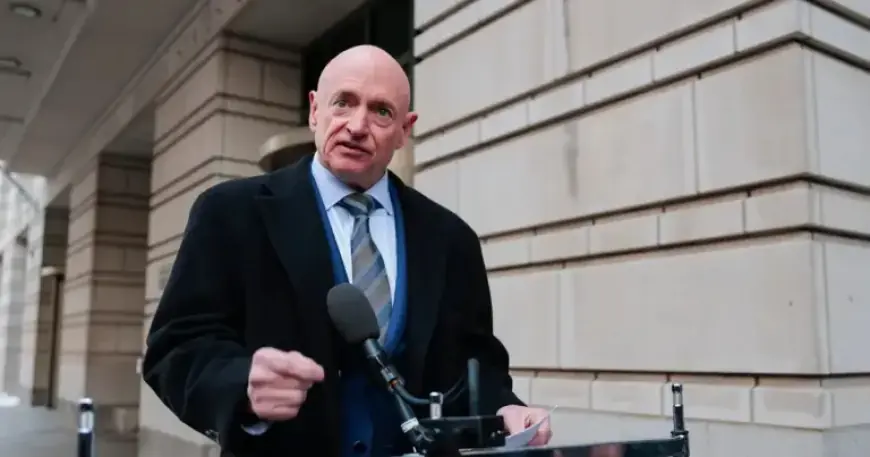
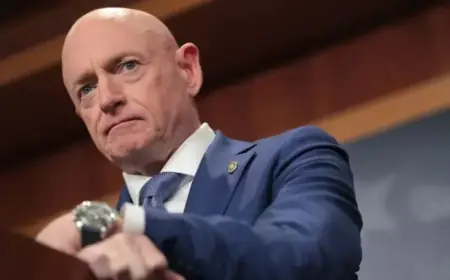
A federal judge has intervened to protect the military rank and pension of Senator Mark Kelly of Arizona, blocking the Pentagon’s efforts to demote him. This decision stems from concerns about violations of Kelly’s First Amendment rights following significant political backlash from the Trump administration.
Background of the Case
Senator Kelly, a retired Navy captain, faced potential reductions in rank and pay after he and five other Democratic lawmakers released a video encouraging military members to “refuse illegal orders.” U.S. District Judge Richard Leon ruled that the government had infringed upon Kelly’s constitutional freedoms.
Details of the Ruling
Judge Leon’s order prohibits any punitive actions against Kelly, stating that the administration’s response poses a broader threat to the rights of military retirees. He emphasized the unprecedented nature of the Trump administration’s actions, stating, “This Court will not be the first to do so,” when referring to extending disciplinary actions to retired service members.
Recent Developments
- Kelly filed a lawsuit against Defense Secretary Pete Hegseth for alleged retaliatory actions.
- Prosecutors previously failed to secure an indictment against Kelly and his colleagues related to their public statements.
- Judge Leon expressed skepticism regarding the Pentagon’s justification for potential demotions, noting its lack of legal precedent.
Political Implications
The controversy intensified when President Trump labeled the lawmakers’ actions as “seditious behavior” and called for severe consequences. Hegseth accused Kelly of compromising military discipline with his remarks, leading to investigations into Kelly’s actions.
Reactions from Senator Kelly
In response to the court’s decision, Kelly recognized its significance beyond his personal situation. He asserted that the ruling protects all retired veterans from similar retribution for exercising their free speech rights. “I will fight ten times harder,” he declared, indicating ongoing challenges against attempts to suppress dissent.
Conclusion
This ruling is a critical moment for the intersection of military service, free speech, and government accountability. As the case unfolds, it may set important precedents regarding the rights of retired military personnel and their ability to voice political dissent without fear of reprisal.