





















The Untold Story: AI’s Greatest Risk Revealed

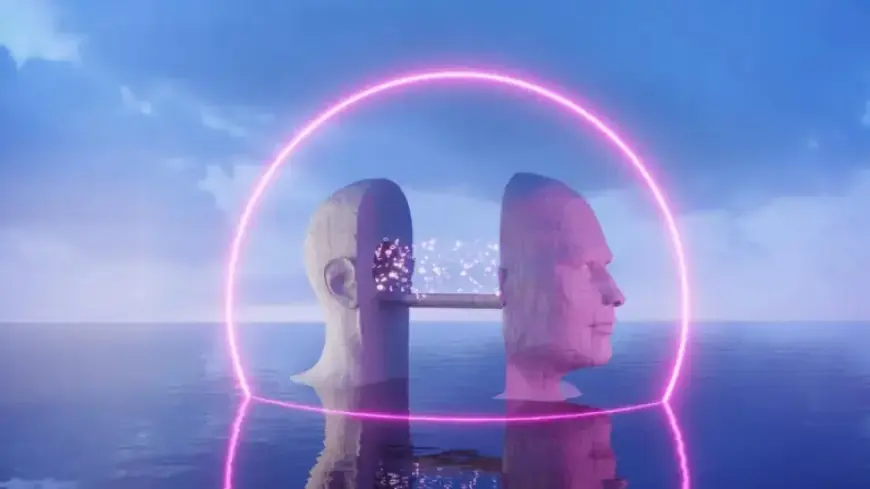
Artificial Intelligence (AI) is rapidly reshaping our world, but it comes with significant risks that often go unaddressed. This technology, much like the surrealist art movement pioneered by Salvador Dalí, challenges perceptions and demands scrutiny. However, unlike art, the implications of AI can be far-reaching and far more personal.
The Unseen Risks of AI
During a recent lecture at the Salvador Dalí Museum in St. Petersburg, Florida, the discussion centered around the potential future shaped by AI. Attendees appeared captivated, yet many seemed unaware of the technology’s limitations and associated risks. This is a recurring theme in discussions about AI today.
One-Sided Narratives
The conversation surrounding AI is frequently dominated by optimistic views. Many tech advocates focus solely on the benefits, ignoring critical issues such as:
- The environmental impact of AI technologies
- Instances of AI hallucinations and inaccuracies
- The potential deterioration of cognitive abilities due to excessive reliance on AI
- Cases of AI-induced psychological issues
When celebrities and influencers promote AI products, they often fail to mention these downsides. Instead, they foster an unrealistic perception that overlooks the complexities and challenges of AI technology.
The Broader Implications
The risks of AI extend beyond mere inconveniences; they involve severe social and economic consequences. For example, a pattern reminiscent of past trends can be observed in the promotion of sports betting and cryptocurrency. Following the legalization of sports betting in 2018, endorsements flooded in, along with rising addiction rates. The 2021 cryptocurrency boom similarly saw high-profile endorsements, which often led to financial losses for everyday investors.
The Threat to Jobs and Creative Industries
AI technology poses a genuine threat to job markets and creative sectors. As automation increases, many positions, particularly in creative fields, are at risk of being eliminated. The generation of deepfakes can also harm reputations and spread misinformation, showcasing AI’s darker capabilities.
Artists like Guillermo del Toro have voiced their concerns over AI’s impact on creative works. Del Toro emphasized that using AI models trained on an artist’s work without permission constitutes theft. Such voices are crucial in advocating for respect and legal protections for creative content.
The Responsibility of Influencers
Public figures wield significant influence in shaping perceptions of AI. Whether promoting tech products or discussing innovations, there is a pressing need for transparency. Influencers must acknowledge the full scope of AI’s impact. They should communicate:
- The job losses that AI could trigger
- The ethical implications of using artists’ works
- The extraordinary energy demands of AI systems
- The ease with which AI can create misinformation
While discussing the advantages of AI, it’s equally relevant to highlight its drawbacks. This balanced dialogue is essential for an informed public.
The Dual Nature of AI
AI holds undeniable promise. It can enhance drug discovery, improve healthcare outcomes, and tackle complex problems. However, framing AI solely as a vehicle for progress overlooks essential truths.
Like the surrealist artworks that challenged conventional narratives, AI demands a critical examination of its implications. Surrealism sought to portray deeper truths about the human experience, while generative AI operates on complex algorithms and patterns.
Conclusion
The conversation about AI is ongoing and evolving quickly. Those leading this dialogue must commit to presenting an honest, comprehensive view. To truly understand AI’s transformative potential and risks, transparency and honesty are essential. As we navigate this powerful technology, demanding the complete picture is more crucial than ever.