






















IOC Disqualifies Athlete for Not Complying with Helmet Rules

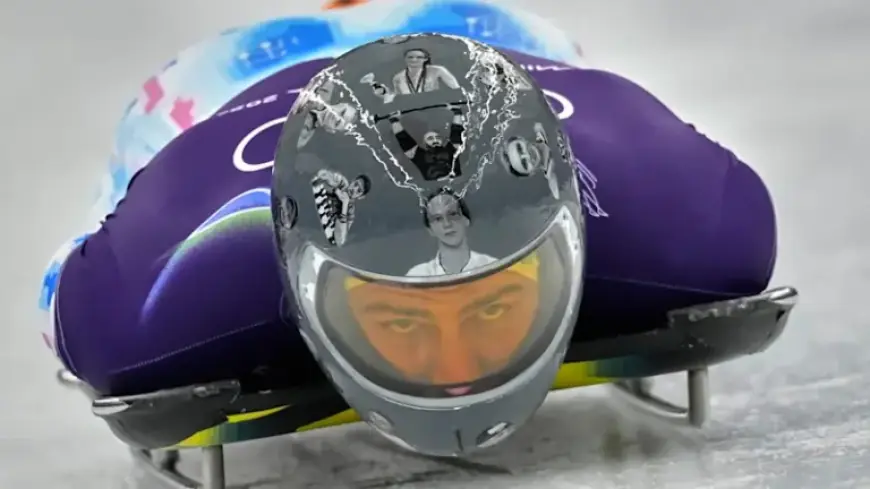
A recent controversy has emerged concerning Ukrainian skeleton athlete Vladyslav Heraskevych, who has been disqualified by the International Olympic Committee (IOC) for defying helmet regulations. Heraskevych intended to compete wearing a helmet that memorializes over 20 athletes lost during the ongoing war with Russia.
IOC’s Helmet Ban and Athlete Disqualification
The IOC instituted a ban on helmets that display political or religious symbols, in adherence to Rule 50 of the Olympic charter. This rule prohibits any demonstrations of this nature at Olympic venues. Instead, the IOC permitted Heraskevych to wear a black armband as a form of tribute.
Defiance Before the Competition
Despite the IOC’s restrictions, Heraskevych announced shortly before the competition that he would wear the politically-charged helmet. Just 45 minutes before his race, the IOC issued a statement confirming his disqualification from the Milano Cortina 2026 Olympic Winter Games.
Official Statement from the IOC
The IOC expressed disappointment in their inability to reach an understanding with Heraskevych. They stated, “Having been given one final opportunity, skeleton pilot Vladyslav Heraskevych from Ukraine will not be able to start his race.” This decision came after he refused to adhere to the IOC’s athlete expression guidelines.
Background and Implications
The disqualification was also based on a ruling from the International Bobsleigh and Skeleton Federation (IBSF), citing non-compliance with the established rules concerning athlete attire. The IOC had conducted several meetings with Heraskevych, the final one including IOC president Kirsty Coventry, before the competition commenced.
- Athlete: Vladyslav Heraskevych
- Event: Skeleton at Milano Cortina 2026
- Violation: Wearing a politically themed helmet
- IOC Rule: Rule 50 — Ban on political, religious, or racial demonstrations
- Alternate Tribute: Black armband approved by IOC
This incident highlights the tensions between athletes expressing their beliefs and the IOC’s commitment to maintaining a politically neutral environment at the Olympics. As the situation develops, its impact on future Olympic regulations remains to be seen.