

























France Faces Backlash from China over Report Suggesting Tariff Imposition

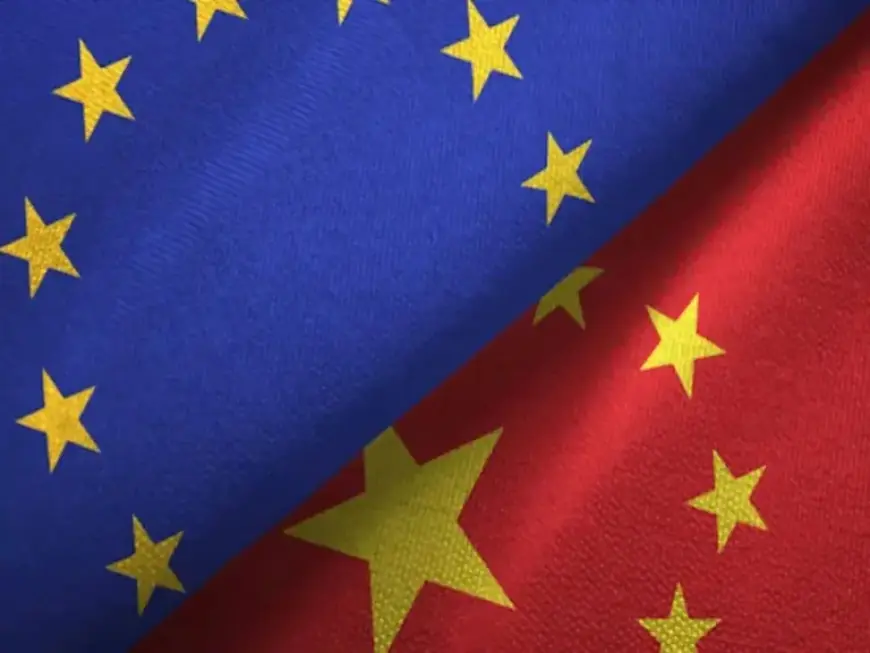
The French government’s newly released strategy report is generating considerable attention. It suggests significant actions regarding trade with China, including potential tariffs and currency adjustments. This document aims to inform the prime minister and guide long-term policy decisions within the European Union (EU).
Proposed Tariffs and Currency Strategies
The report calls for a blanket tariff of 30% on Chinese goods or a similar depreciation of the euro against the yuan. The goal is to tackle the influx of inexpensive imports from China, which have significantly impacted the European economy, especially following the imposition of tariffs by the United States.
The proposed measures stem from concerns that without action, Europe might enter a cycle of “destructive destruction.” Traditional defensive tools, such as anti-dumping measures, are deemed inadequate to address this issue. Thus, the report advocates for more aggressive policy shifts, where imposing tariffs might be more straightforward compared to orchestrating a significant currency depreciation.
Status of the Proposal
This recommendation is not yet an official stance of France or the EU. It merely reflects the advisory body’s ideas to the government. Nonetheless, the suggestion has prompted swift backlash on Chinese social media and news outlets.
China’s Reaction and Economic Implications
Beijing has not yet responded to the proposal, which is still in its preliminary stages. However, the situation has the potential for significant escalation, especially if Chinese citizens feel provoked or seek retribution. Historically, tensions such as these can lead to rapid developments, as seen in Japan’s economic encounters with China.
Currently, both the EU and China find themselves at a crossroads, having been cornered by American trade policies. Their need to collaborate in navigating these challenges has increased. However, the longevity of their trade relationship remains in question.
Future of EU-China Trade Relations
The EU must weigh the risks associated with ongoing trade policies with China. As economic pressures intensify, policymakers will likely push for action in response to these new dynamics. The situation highlights the critical need for the market to adapt to the changing global trade landscape.
- Date of Proposal: Recently released this week.
- Proposed Tariff Rate: 30% on Chinese goods.
- Possible Currency Adjustment: 30% depreciation of the euro against the yuan.
- Concern: Risk of a cycle of “destructive destruction.”
- Response from China: Pending.
In summary, as the European Union navigates its trade strategies with China, the implications of potential tariffs and economic policies will shape future relations and economic stability within the region.