

























James Van Der Beek family fundraiser draws rapid support after death; organizers cite an “uncertain future” as donations grow

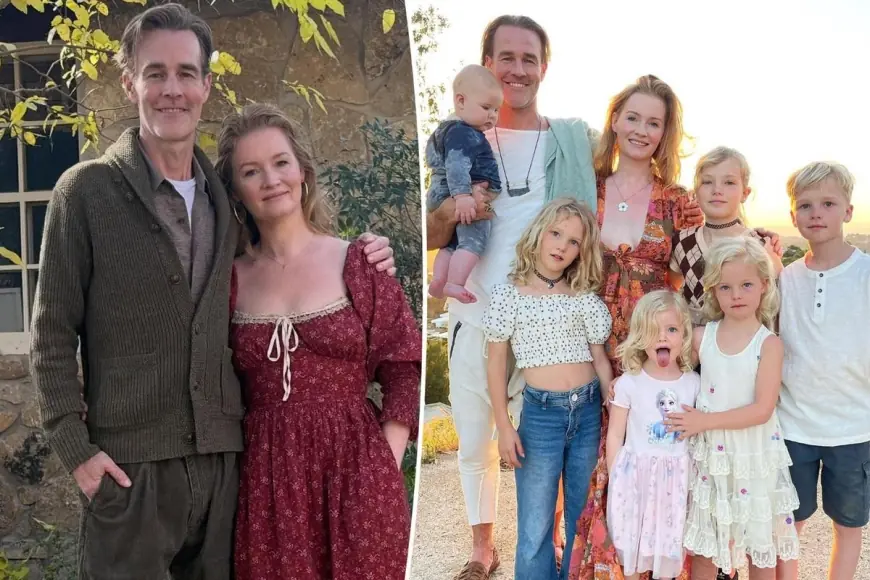
An online fundraiser for James Van Der Beek’s family drew a rapid wave of donations within hours of being shared publicly, as organizers said his widow and six children are “facing an uncertain future” after an extended cancer fight drained household resources. The appeal gained momentum late Wednesday, Feb. 11, 2026, the same day the actor’s death was announced, with contributions climbing quickly through the evening in a show of fan and community support.
Van Der Beek, 48, became a household name in late-1990s television and remained a steady presence in film and TV for decades. The fundraising push has refocused attention on the financial strain that can follow a long illness, even for families with recognizable careers behind them.
What the organizers are asking for
The fundraiser page describes a family confronting immediate, practical needs: keeping their home, covering ongoing living expenses, and preserving stability for six children, including schooling plans. The text says the costs tied to medical care and a prolonged battle with cancer left the family “out of funds,” and it frames donations as a bridge through a period of upheaval.
The campaign set a seven-figure goal and drew hundreds of thousands of dollars quickly after it began circulating, signaling both broad awareness and a sense of urgency among donors.
How quickly donations climbed
The fundraising total rose sharply over the first stretch of public visibility, with the evening hours bringing the biggest jumps as the appeal spread. By late evening Wednesday (ET), the amount had already moved well beyond the halfway mark of its stated goal.
A few factors typically drive this kind of surge: immediate public recognition, a clear explanation of need, and a donation page that offers frequent, visible updates as new contributions come in. In this case, the “uncertain future” phrasing appears to have resonated with people looking to help in concrete ways.
Family context: six children, sudden transition
Van Der Beek and his wife, Kimberly, had spoken publicly in the past about raising a large family and prioritizing a home life away from the most traditional entertainment-industry hubs. The fundraiser and related public statements emphasize the scale of the family’s responsibilities now: six children spanning from preschool age to the mid-teen years.
For households with multiple children, the immediate aftermath of a death can bring a stack of near-term costs beyond medical bills—housing, childcare coverage, travel, legal paperwork, and school continuity—at precisely the moment income can become less predictable.
The illness timeline and earlier money-raising efforts
Van Der Beek revealed in late 2024 that he had been diagnosed with stage 3 colorectal cancer. In recent months, he had also pursued public-facing ways to raise money for treatment-related costs, including the sale of personal entertainment memorabilia and other limited fundraising initiatives.
Those efforts now appear in a different light: less as promotional projects and more as steps to offset a long, expensive medical fight. The new campaign positions the family’s needs as ongoing, with the immediate priority shifting from treatment support to household stability and the children’s future.
What “net worth” headlines miss in moments like this
Public conversation often turns quickly to celebrity “net worth” estimates, but those figures rarely describe what a family can access on short notice. A household might have long-term assets that are hard to liquidate quickly, alongside immediate bills that demand cash flow: insurance gaps, travel, caregiving, and normal living expenses that don’t pause for grief.
The language in the fundraising appeal suggests the pressure point is liquidity—covering day-to-day life and preserving stability—rather than building wealth. That’s also why donation campaigns can grow fast: they offer a direct way for supporters to help with short-term needs when traditional solutions (selling property, refinancing, arranging longer-term income) take time.
Timeline and key figures (ET)
| Date | Development | Detail (approx.) |
|---|---|---|
| Nov. 2024 | Diagnosis publicly shared | Stage 3 colorectal cancer |
| Late 2025 | Public fundraising efforts | Memorabilia sales raised tens of thousands |
| Feb. 11, 2026 | Death announced; fundraiser spreads | Family support appeal goes public |
| Feb. 11, 2026 (evening) | Donations surge | Climbing toward seven figures |
What comes next
In the near term, attention will likely focus on two tracks: continued donations and messages of support, and the family’s request for privacy as they grieve. Organizers have framed the campaign as a stabilizing measure rather than a one-time response, suggesting updates may follow as needs become clearer in the weeks ahead.
The broader takeaway is sobering: prolonged illness can create financial aftershocks that continue well beyond a final medical outcome. The speed of the response to this fundraiser shows how quickly fans mobilize—especially when the need is presented plainly and tied to children’s stability and housing.
Sources consulted: People; Business Insider; Variety; GoFundMe