
























2026 Winter Olympics Snowboarding: Halfpipe Finals Loom After Dominant Qualifiers in Livigno

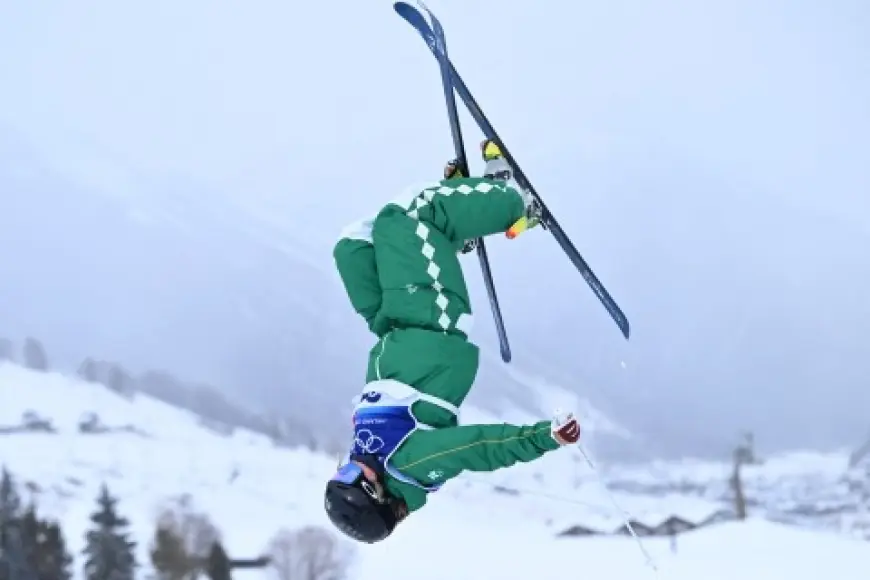
Snowboarding at the 2026 Winter Olympics is hitting its most anticipated stretch, with halfpipe and snowboard cross set to shape both medal counts and momentum at the Milano Cortina Games. After Wednesday’s qualifiers in Livigno, two storylines are converging: a familiar champion pushing for history in women’s halfpipe, and a men’s field that looks deeper and more volatile than it did four years ago.
With finals approaching, the sport is also delivering a broader message these Games have reinforced across events: the margins are shrinking, the trick difficulty is rising, and a single clean run can flip a podium.
What happened in halfpipe qualifiers
Women’s halfpipe qualifying on Wednesday produced a clear top mark, with a two-time Olympic champion posting the day’s standout score and moving comfortably into the final. The run quality mattered as much as the number: a confident, controlled opening set a tone that will pressure the rest of the field to chase difficulty without getting sloppy on landings.
On the men’s side, the top qualifier sent an immediate warning to the favorites list by landing a high-difficulty combination early, putting a premium on amplitude and rotation. Even with an imperfect second attempt, the first run was enough to secure the leading seed. That detail is crucial: it shows the final may be less about who can land one big run and more about who can repeat it under medal-round pressure.
What’s next on the snowboarding schedule in ET
Snowboarding events in 2026 are centered at the Livigno Snow Park and run across eleven medal events. The next key finals and medal moments, listed in Eastern Time, include:
-
Men’s snowboard cross final expected early Thursday morning ET
-
Women’s halfpipe final expected Thursday afternoon ET
-
Men’s halfpipe final expected Friday afternoon ET
-
Mixed team snowboard cross final expected Sunday morning ET
-
Slopestyle finals expected Monday and Tuesday, with additional finals later in the week
Event start times can shift slightly based on weather and course readiness, so “expected” is doing real work here. Still, the order of events matters: snowboard cross can produce surprise medalists and emotional swings, while halfpipe often rewards the athletes who can combine amplitude, clean grabs, and repeatable technical difficulty.
Behind the headline: why these finals feel different
Two incentives are reshaping snowboarding in 2026.
First is progression pressure. Athletes now enter Olympic halfpipe needing tricks that used to win major events just to qualify safely. That raises the risk of falls and the likelihood that medal rounds hinge on who manages nerves and conditions, not only who has the biggest trick list.
Second is the strategic reality of judging and course variables. Halfpipe scoring tends to reward a blend of height, execution, variety, and difficulty. That means athletes face a choice: push the hardest rotation and accept a higher crash risk, or aim for a slightly easier run that is more likely to be landed clean. In medal rounds, the incentives change again because one athlete hitting a huge run can force everyone else into riskier choices.
Snowboard cross operates on a different logic entirely: it is part race craft, part chaos management. The best rider does not always win, and that uncertainty is exactly why teams treat it as both an opportunity and a threat to overall medal plans.
Stakeholders: who has the most to gain
The most obvious stakeholders are the medal favorites, whose legacies can pivot on one run. But federations and sponsors are watching too, because snowboarding often delivers the most replayed moments of the Games: dramatic crashes, come-from-behind finishes, and signature tricks that become the visual identity of an Olympics.
Hosts also have leverage here. A strong home performance in a high-visibility action sport can lift crowd energy across venues and spill into broader national narratives of a “successful Games,” even if the total medal tally is being built elsewhere.
What we still don’t know
Several missing pieces will decide how the snowboarding story actually ends:
-
Whether the top qualifiers can repeat their best runs when the pressure is highest
-
How course conditions evolve, especially if temperatures fluctuate and affect speed and grip
-
Which athletes are carrying injuries or managing limited training time after travel and scheduling constraints
-
Whether the judging trend in halfpipe rewards ultra-high difficulty more than flawless execution, or vice versa
These details often remain unclear until finals begin, and they are exactly what separates a “best on paper” contender from a gold medalist.
What happens next: realistic scenarios and triggers
-
A history-making three-peat bid stays alive
Trigger: the women’s halfpipe favorite lands a high-score run early in the final, forcing others to chase. -
A men’s halfpipe upset breaks the favorite tier
Trigger: a contender outside the top seed hits the cleanest high-difficulty run while others fall on final hits. -
Snowboard cross reshuffles medal expectations
Trigger: a crash, a missed line, or a late pass changes the bracket outcome, producing a surprise podium. -
Slopestyle becomes the depth test
Trigger: multiple nations place riders into finals, turning medals into a question of consistency across attempts.
Why it matters
Snowboarding is one of the Winter Games’ fastest-moving story engines: it produces decisive moments in minutes, and its highlights travel far beyond sports fans. The next two days in Livigno will likely set the tone not only for who wins medals, but for how the broader 2026 Olympics are remembered: as a Games of dominant champions, or a Games where a new generation forced the door open with one fearless run.