























Hardline Conservatives Intensify Efforts to Preserve the SAVE Act

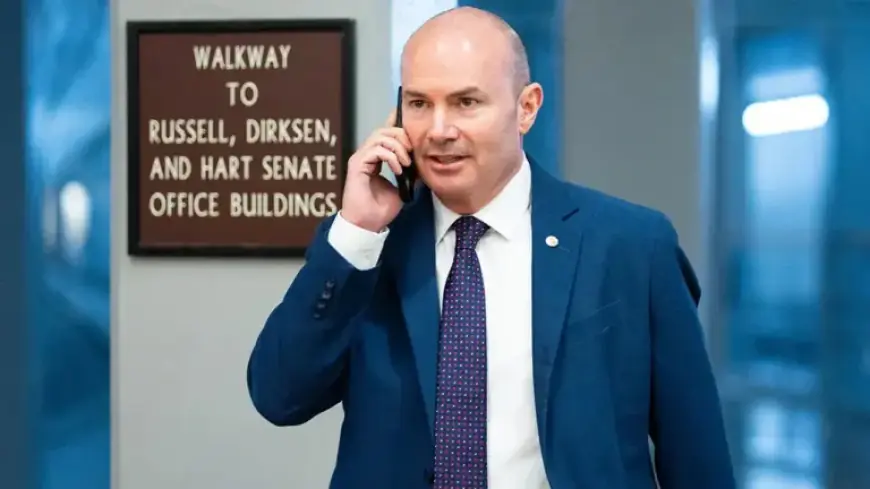
Senate Republicans are redoubling their efforts to advance voter ID legislation under the Safeguarding American Voter Eligibility (SAVE) America Act. This act has long been stalled in Congress but has recently gained attention from hardline conservatives.
Hardline Conservatives Rally for the SAVE Act
A trio of influential senators, Mike Lee (Utah), Ron Johnson (Wisconsin), and Rick Scott (Florida), are at the forefront, pushing for the passage of this legislation. Their goal is to put voter ID mandates back on the table.
Key Provisions of the SAVE Act
- Voter identification requirements
- In-person proof of citizenship during registration
- Removal of noncitizen voters from electoral rolls
During a recent meeting, Sen. Lee provided a compelling argument for the SAVE Act, outlining the importance of securing voter integrity. He acknowledged the difficulties ahead, stating, “Nothing in the Senate’s an easy move. This one’s certainly not.”
Roadblocks in the Senate
Despite Republican enthusiasm, advancing the SAVE Act faces significant challenges. Democrats have signaled they will not support the bill, creating a formidable barrier with the 60-vote filibuster threshold.
Senate Majority Whip John Barrasso (Wyoming) emphasized the need for voter ID, citing everyday situations where identification is necessary. He noted, “To get on an airplane you need a photo ID. You want to buy a beer at a football game? You need a photo ID.”
Options Ahead for Republicans
The path forward appears limited, especially with moderate GOP Sen. Lisa Murkowski opposing the initiative. Lee and his colleagues are exploring two main strategies: eliminating the filibuster or reverting to a standing, or talking, filibuster method.
Senate Majority Leader John Thune (South Dakota) dismissed the possibility of eliminating the filibuster altogether, stating, “There aren’t anywhere close to the votes — not even close — to nuking the filibuster.”
Potential Solutions and Next Steps
In lieu of abolishing the filibuster, Republicans are considering the older standing filibuster, which requires continuous debate and could lead to extended delays. This approach could significantly affect Senate operations, potentially elongating the discussion for several hours.
Sen. Scott indicated that colleagues are beginning to understand the implications of the standing filibuster, adding that all options to secure elections should remain on the table. He remarked, “I’m not going to give up.”
As the GOP continues to strategize, the future of the SAVE America Act remains uncertain, with a landscape fraught with political conflict and debated principles surrounding voter identification.