
























FTC Lawsuit Against Ticketmaster Poised to Revolutionize Concert Ticket Sales

In a significant move that could reshape the concert ticketing landscape, the Federal Trade Commission (FTC) has filed a lawsuit against Ticketmaster and its parent company, Live Nation Entertainment. This legal action, initiated in September 2025, is backed by seven U.S. states and centers around allegations of illegal ticket resale practices.
Key Allegations Against Ticketmaster
The FTC’s lawsuit claims that Ticketmaster has engaged in deceptive practices detrimental to both consumers and artists. Central to the complaint are accusations of illegal ticket resale practices, leading to inflated prices that ordinary fans cannot afford.
Illegal Ticket Resale Practices
The FTC alleges that Ticketmaster allowed brokers to exploit its platform by purchasing large quantities of tickets beyond specified limits. These brokers reportedly utilized bots and created multiple fake accounts to acquire tickets from the primary market. Consequently, fans miss the opportunity to buy tickets at face value and instead face exorbitant resale prices.
Deceptive Pricing and Hidden Fees
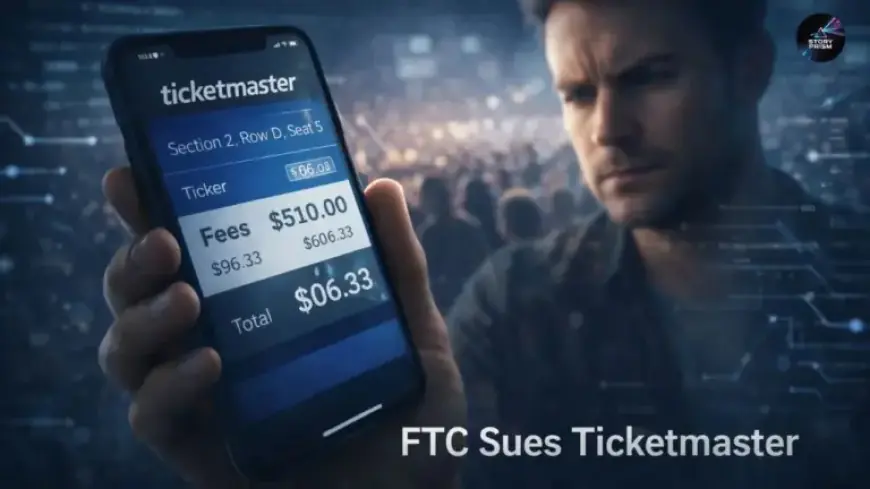
In addition to resale issues, the complaint points to Ticketmaster’s allegedly deceptive pricing strategies. The FTC argues that Ticketmaster advertises lower prices but conceals mandatory fees that significantly inflate the final cost at checkout. Consumers have reported fees that can raise prices by 20% to 30%, leaving them feeling misled about actual ticket costs.
Misleading Ticket Limits
Another critical allegation involves Ticketmaster’s enforcement of ticket limits. Although the company claims to impose strict restrictions, the FTC argues that large brokers have routinely bypassed these limits by using multiple accounts, which puts ordinary fans at a disadvantage when trying to secure tickets.
Impact on Consumers and Artists
The repercussions of these alleged practices are far-reaching. Fans are often forced to pay inflated prices for popular concerts, while artists find themselves losing control over ticket distribution and revenue. Additionally, the prevalence of bots and scalpers has driven public outcry, prompting calls for regulatory intervention.
Legal Violations Cited
The FTC’s lawsuit alleges violations of the FTC Act, which prohibits unfair business practices, and cites the Better Online Ticket Sales (BOTS) Act aimed at curbing automated ticket purchasing. The case represents a pivotal moment for consumer protection in the entertainment industry.
Ticketmaster’s Market Dominance
With a remarkable 80% share of the U.S. concert ticket market, Ticketmaster’s overwhelming influence remains a point of contention. This dominance raises questions about fairness and accessibility for consumers, especially in high-demand scenarios.
The Road Ahead
The ongoing lawsuit seeks civil penalties and aims to establish more stringent regulations for the ticketing industry. A successful outcome for the FTC could usher in a new era of ticket sales, prioritizing transparency and fairness. Fans might witness improved enforcement of purchase limits, clearer pricing structures, and a reduction in the influence of brokers and scalpers.
Conclusion
Ticketmaster’s legal challenges reflect an ongoing struggle involving ticketing platforms, consumers, and artists. While the lawsuit unfolds, it underscores the pressing need for greater transparency and fairness in ticket sales. The outcome of this case could dramatically change how concert tickets are bought, sold, and priced across the United States. For now, all eyes are on the proceedings, as the potential for significant transformation looms on the horizon.