

























Silver Price Today Climbs Toward Mid-$80s as Silver Futures Swing on Dollar, Yields, and Risk Appetite

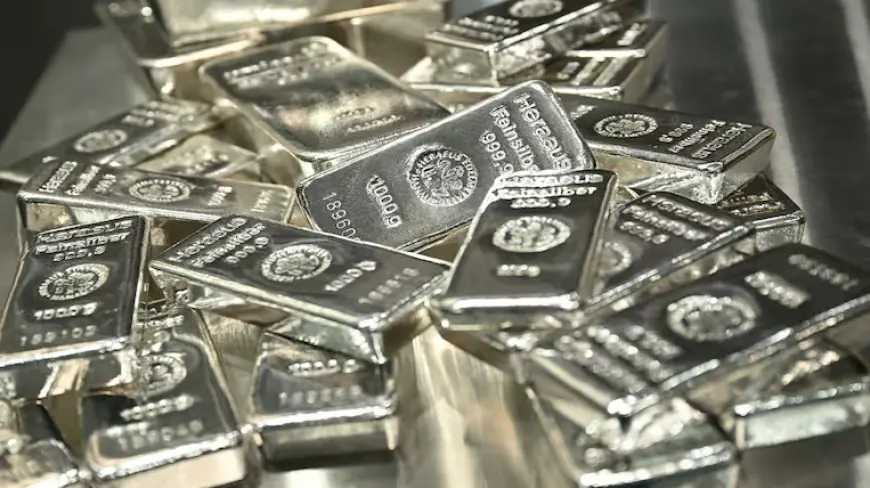
Silver prices rallied in early trading Wednesday, February 11, 2026, with spot silver pushing into the mid-$80s per ounce while silver futures followed with sharp, data-driven swings. The move underscores how silver is behaving like a hybrid asset again: part precious-metal safe haven, part high-beta industrial input that can surge when macro conditions tilt in its favor.
By the morning in US Eastern Time, spot silver was trading around $85 to $86 per ounce, up strongly on the session. Front-month COMEX silver futures were also higher, trading in the mid-$80s with heightened volatility.
Silver price today: what’s driving the jump
Silver’s biggest near-term levers remain the US dollar and interest-rate expectations. When the dollar softens, dollar-priced metals become more affordable for non-US buyers, often lifting demand at the margin. When Treasury yields ease, silver can catch an additional bid because the opportunity cost of holding a non-yielding metal tends to fall.
What made today’s action particularly choppy is the push and pull between two narratives that can coexist in the same session:
-
A softer dollar and easing yields can be bullish for metals
-
Stronger economic data can revive fears of “higher for longer” policy, which can cap rallies or trigger fast pullbacks
Silver often exaggerates both directions. Compared with gold, it tends to move more when macro traders are actively repricing the path of rates.
Silver futures: why the swings look bigger than gold
Silver futures are especially sensitive to positioning and liquidity pockets, and that matters more when the market is already elevated. At higher price levels, small changes in rates, currency, or risk sentiment can create outsized moves as traders adjust hedges and as short-term strategies react to momentum.
Silver also has a larger industrial identity than gold. That creates a second layer of sensitivity:
-
If traders believe growth will hold up, silver can rise on expectations of steady industrial demand
-
If traders fear growth will slow, silver can still rise as a defensive metal, but the path is less straightforward and tends to be more volatile
This “two-way” identity is why silver futures frequently overshoot in both rallies and pullbacks.
Behind the headline: incentives, stakeholders, and what’s changing
Silver’s surge is being shaped by several stakeholder groups with different incentives:
-
Short-term traders benefit from volatility and will lean hard on technical levels, which can intensify intraday moves.
-
Producers and industrial users hedge differently at these levels, and shifts in hedging can amplify futures flows.
-
Physical buyers can step back when prices spike, then reappear on dips, creating a stair-step pattern rather than a smooth trend.
-
Long-only investors may treat silver as a leveraged cousin of gold, adding when the macro backdrop feels supportive.
The key context is that silver has been operating in a regime where market participants are hyper-focused on the central-bank rate path. That focus tends to compress time horizons: the next data release can matter more than the last quarter of fundamentals, at least for day-to-day price action.
What we still don’t know
Several missing pieces will decide whether this rally extends or cools:
-
Whether upcoming inflation data reinforces the case for rate cuts later in 2026
-
Whether the dollar’s softness persists or reverses on risk-off demand
-
Whether physical demand remains resilient at these price levels or shows clear signs of strain
-
Whether futures positioning is crowded, increasing the risk of a fast liquidation drop
These unknowns matter because silver can move quickly from “macro darling” to “positioning unwind” in a single session.
What happens next: realistic scenarios and triggers
Here are five plausible paths from here, with clear triggers:
-
Continued climb with controlled pullbacks
Trigger: yields drift lower and the dollar stays soft, allowing buyers to defend dips. -
Whipsaw range as data battles it out
Trigger: mixed economic releases keep rate expectations unstable, producing sharp intraday reversals in silver futures. -
Fast correction, then stabilization
Trigger: a sudden yield bounce or stronger data forces leveraged longs to cut exposure, followed by bargain buying near prior support. -
Breakout acceleration
Trigger: a broader risk-on surge and stronger industrial sentiment pull silver higher alongside other cyclicals. -
Breakdown under key support
Trigger: a sustained rise in real yields and a stronger dollar overwhelms the bid, turning rallies into selling opportunities.
Why it matters
Silver’s move is more than a headline price jump. It reflects a market recalibrating policy expectations, currency direction, and risk appetite all at once. With spot trading around the mid-$80s and silver futures moving in lockstep, the next catalyst is likely to come from macro data and rate expectations rather than from silver-specific news. For traders and hedgers, that means the most important “silver indicator” may be the dollar and long-term yields, not the metal itself.