

























White House Lowers Job Growth Forecast; Fed Faces Similar Challenges

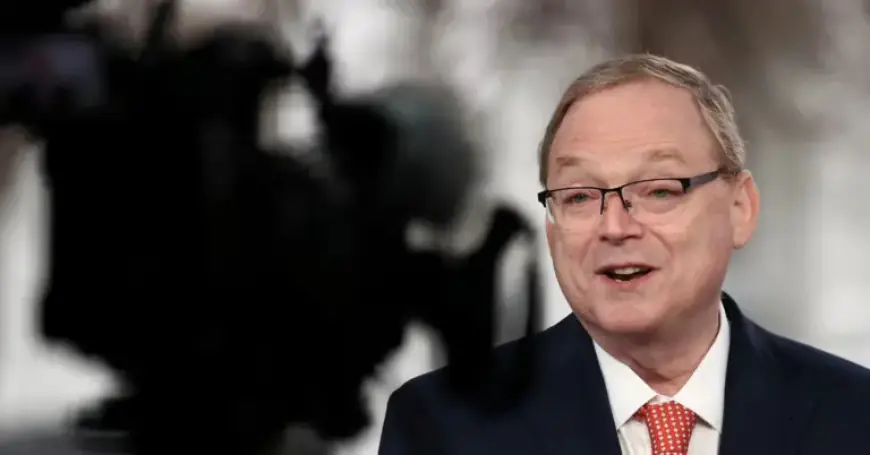
Recent comments from White House economic adviser Kevin Hassett indicate a potential slowdown in U.S. job growth. He attributes this to two key factors: slower labor force growth and rising productivity levels. This discussion overlaps significantly with the challenges facing the Federal Reserve as it strategizes its monetary policies.
Current Job Growth Landscape
In November and December, the U.S. saw an average gain of just 53,000 jobs per month. This contrasts sharply with the pre-COVID average of 183,000 jobs per month over the preceding decade. The administration’s later years had previously experienced robust employment growth.
Changing Dynamics in the Labor Market
The decline in job growth may be partly influenced by reduced immigration policies, a shift from President Trump’s previous stance. With fewer workers available, economists are debating whether slower employment rates stem from economic weakening or a shortage of workers.
- Average Job Gains: 53,000 (Nov-Dec 2022)
- Pre-COVID Average: 183,000 (previous decade)
- Unemployment Rate: 4.4% (December 2022)
Productivity and Economic Growth
Hassett, who heads the National Economic Council, suggests another perspective. He believes that rising productivity is compensating for the limited growth in the workforce. As productivity increases, the economy can continue advancing, even with fewer jobs being created.
In an interview, Hassett noted that a decline in the labor force, attributed to undocumented workers leaving the country, could also lead to lower job creation. He cautioned not to panic over decreasing job numbers in the face of strong GDP growth, citing unusual circumstances.
Implications for Federal Reserve Policy
The Federal Reserve, under Chair Jerome Powell, acknowledges the challenging environment. During a recent press conference, Powell emphasized the simultaneous decline in both demand and supply for labor. The Fed faces a complex situation in interpreting labor market dynamics.
Considerations for Monetary Policy
Economists posit that the Fed’s approach to interest rates will depend on whether weak job growth results from limited supply or low demand. This distinction will affect how aggressively the Fed intervenes to support growth.
- Fed’s Challenges: Balancing supply and demand impacts on job growth.
- Potential Responses: Rate cuts for weak demand; cautious policies for constrained supply.
Federal Reserve nominee Kevin Warsh supports the idea that rising productivity could alter the outlook for inflation and policy direction. However, both Powell and other policymakers remain cautious about assuming that the productivity trend will sustain.
As discussions about job growth and productivity continue, they reveal underlying complexities in both the economy and Federal Reserve strategies. These dynamics will play a significant role in shaping future economic policies. Readers can stay updated on developments at Filmogaz.com.