























Fulton County Official Criticizes FBI Raid in Court as Intimidation


In a controversial move, the FBI conducted a raid on Fulton County, Georgia, seizing crucial election records. This unprecedented action took place last month at the county’s main election operations center, raising significant concerns over voter confidence and election integrity.
Fulton County Officials Challenge FBI Raid
Following the raid, Fulton County officials took legal action against the federal government, seeking the return of seized records, including ballots from the 2020 presidential election. Chair of the Fulton County Board of Commissioners, Robb Pitts, described the FBI’s actions as exhibiting “callous disregard” for constitutional rights. He argued that the raid was designed to intimidate voters, potentially chilling participation in future elections.
Legal Proceedings and Public Access to Information
Recent court filings have illuminated the county’s apprehensions about the impact of the raid. U.S. District Judge J.P. Boulee has ordered the Department of Justice (DOJ) to disclose the arguments used to secure the search warrant. The judge asserted that public access to these judicial proceedings is crucial.
- Fulton County officials believe the DOJ failed to establish probable cause for the raid.
- Pitts emphasized that historical claims of voter fraud have largely been debunked.
- The DOJ did not oppose the unsealing of the warrant affidavit, a departure from standard practice.
Concerns Over FBI’s Tactics and Election Integrity
The FBI’s focus in Fulton County appears to stem from allegations fueled by former President Trump regarding election interference. Trump frequently targeted Fulton County, accusing election officials of misconduct. Following the raid, local leaders and legal experts voiced their concerns regarding its legality. They noted that statutes of limitations for the alleged crimes had expired, and multiple investigations found no evidence of widespread fraud that could have affected the election results.
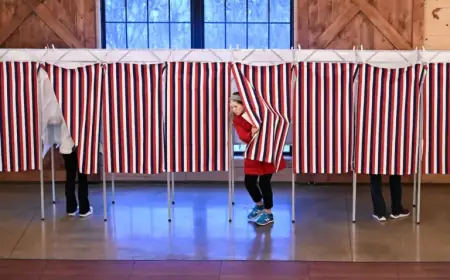
Pitts additionally criticized the presence of government officials during the raid, arguing it further intimidated voters. “The First Amendment protects the right to vote free from intimidation,” he stated, underscoring the impact of the FBI’s visible display of force.
The Implications of Seized Election Records
During the nine-hour raid, the FBI seized approximately 700 boxes of election records, according to Fulton County officials. These items included:
- Original ballots
- Numbered voter lists
- Tally sheets
- Voting machine proof sheets
- Absentee ballots and envelopes
The county’s officials expressed alarm regarding the current status of the records, fearing potential tampering or unauthorized copying of sensitive data. Pitts warned that such information could identify individual voters and their choices.
Legal and Constitutional Implications
At the time of the FBI’s raid, these records were sealed in compliance with Georgia state law. The DOJ had previously attempted to obtain the records through civil procedures but failed to compel their release. Fulton County’s filings argue that the FBI’s actions circumvented the legal processes in place, and this approach should not be tolerated by the court.
The ongoing backlash against the FBI’s methods highlights serious concerns regarding election integrity and voter security. Fulton County continues to navigate the repercussions of this extraordinary raid, voicing its commitment to uphold the rights of its voters amid these challenging circumstances.