
























US Olympians Balance Politics and Patriotism Amid Trump Attacks | Winter Olympics 2026

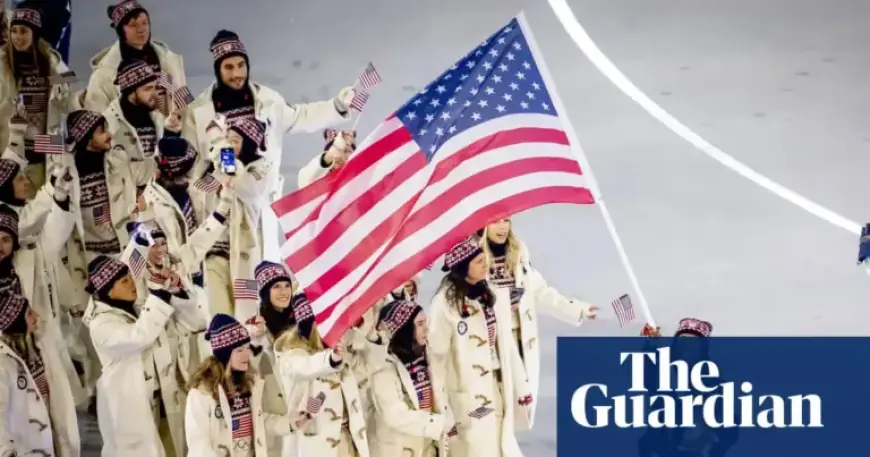
The upcoming Winter Olympics in 2026, set to take place in Milan and Cortina, have become a backdrop for US athletes to express their mixed feelings about representing their country. This sentiment emerges amid tensions related to politics both at home and abroad. As political figures respond to athletes’ comments, it has sparked discussions on patriotism versus personal beliefs among the athletes.
Political Climate Influences Athletes
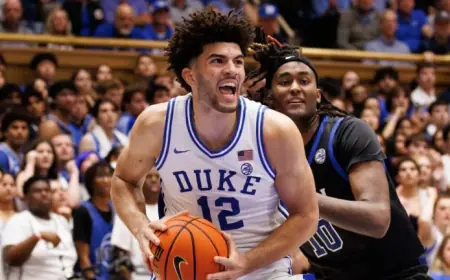
US freestyle skier Hunter Hess highlighted his discomfort with the current political atmosphere. He stated he feels “mixed emotions” about competing, particularly in light of Donald Trump’s criticism of athletes who challenge his policies. Trump’s remarks on social media labeled Hess a “loser” for his views.
This exchange represents a growing division between how some athletes view their role at the Winter Olympics and the expectations from some political figures. While athletes have generally avoided direct criticism of the Trump administration, many are now speaking out more openly about their feelings.
Public Response and Athlete Safety
The US Olympic and Paralympic Committee (USOPC) has committed to monitoring online abuse directed at athletes, particularly after several received threats following their public statements. For instance, figure skater Amber Glenn reported facing a “scary amount” of online hate related to her comments on the political atmosphere affecting LGBTQ+ Americans.
- Hunter Hess: Expressed mixed feelings about competing under the current political climate.
- Amber Glenn: Faced significant online backlash for discussing political issues faced by LGBTQ+ individuals.
- Gus Kenworthy: Received threats after criticizing US immigration enforcement.
US Athletes Represent Complex Values
Despite the backlash, some athletes emphasize the importance of representing America’s core values. Chloe Kim and Jessie Diggins articulated how they carry the weight of inclusion and opportunity during their Olympic performances. Kim, whose family immigrated from South Korea, mentioned the need for unity and compassion amidst the political chaos.
Diggins, who boasts multiple Olympic medals, echoed similar sentiments, stating she races for an America defined by empathy and respect for others. Both athletes showcased a desire to define their Olympic experience beyond mere national representation and focus on the values they truly believe in.
Political Backdrop at the Games
The Olympics have been seen against a politically charged backdrop, especially with notable figures like Vice President JD Vance attending events. His presence, along with that of other political leaders, has been met with mixed reactions from the public, including boos at the opening ceremony.
Additionally, protests linked to US immigration personnel accompanying the Games have echoed the athletes’ sentiments. While officials assert these personnel focus on security rather than enforcement, the optics have contributed to criticism of US policies abroad.
Conclusion
The upcoming Winter Olympics reflect a unique moment for US athletes, balancing pride in their country with their personal beliefs. As they prepare to compete in Milan and Cortina, their voices contribute to a broader dialogue on political and social issues, emphasizing that representing the United States is layered with personal conscience.