
























“Casey Wasserman” trends as artists announce exits in real time—how social posts turned a business story into a flashpoint

A wave of artist departures and resignation demands pushed entertainment executive Casey Wasserman into the center of a fast-moving backlash on Monday, Feb. 9, 2026 (ET), after multiple performers publicly said they were cutting ties with his talent agency. What began as a business story about representation and corporate leadership turned into a flashpoint because the announcements unfolded live, in a chain of short statements that spread rapidly and invited instant interpretation.
The catalyst was renewed scrutiny over decades-old emails between Wasserman and Ghislaine Maxwell that surfaced in a recent document release tied to Jeffrey Epstein. Wasserman has apologized for the correspondence, said he regrets it, and has denied having a personal or business relationship with Epstein.
The trigger: a document release and a renewed spotlight
The latest burst of attention traces back to a late-January release of documents connected to Epstein that included flirtatious emails dated to 2003 between Wasserman and Maxwell. Maxwell is serving a 20-year sentence after a 2021 conviction on sex-trafficking-related charges.
Wasserman issued an apology after the emails resurfaced publicly, saying the exchanges occurred long before Maxwell’s crimes were known and expressing regret for any association. He has also acknowledged taking a 2002 trip that involved Epstein’s plane as part of a philanthropic delegation, while maintaining he had no personal or business relationship with Epstein.
Artists exit first, then the demands escalate
By Monday, the story accelerated because artists did not wait for a slow, behind-the-scenes agency shuffle. Instead, several publicly stated they were leaving, with wording that framed the decision as values-based rather than transactional.
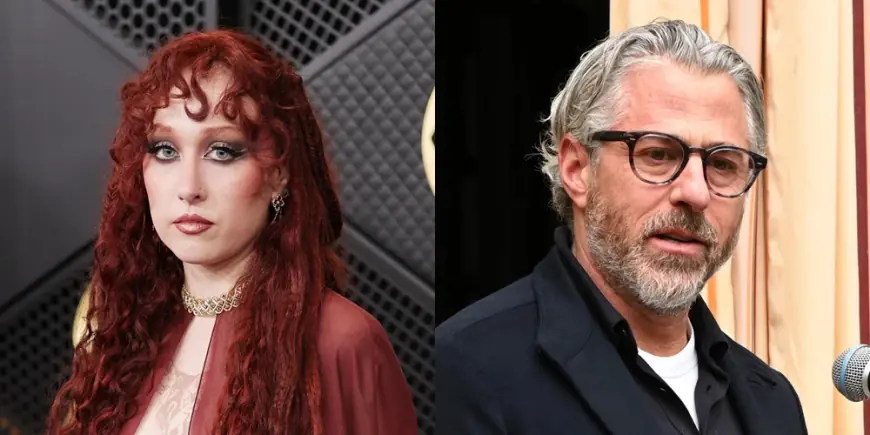
One of the highest-profile announcements came from pop star Chappell Roan, who said she was no longer represented by the agency and argued that meaningful industry change requires accountability and leadership that earns trust. The indie rock band Wednesday also said it was beginning the process of exiting, stating that continued representation by a firm led by and named after Wasserman conflicted with its values.
At the same time, other musicians and a group of music agents publicly called for Wasserman to step down, a shift that raised the stakes: internal pressure alongside client exits.
Why the exits went viral so fast
The speed wasn’t only about celebrity. It was about format.
When departures are announced in brief, shareable statements, they function like dominoes: each new post becomes both an update and a prompt for the next person to respond. That dynamic helped turn what might have been a contained corporate controversy into an hour-by-hour storyline.
A few details also contributed to the sense that something bigger was unfolding:
-
The agency’s publicly visible artist roster was removed from its website over the weekend.
-
Departures and calls for leadership change appeared in quick succession rather than as isolated events.
-
The story crossed into sports governance because of Wasserman’s prominent role in the Los Angeles 2028 organizing committee.
The LA28 factor turns a business issue into a civic one
Wasserman’s influence extends beyond entertainment: he chairs the organizing committee for the 2028 Los Angeles Olympics and Paralympics. That role pulled elected officials into the conversation, with some calling for him to step aside to avoid distracting from preparations for the Games.
On the other side, U.S. Olympic leaders have publicly backed LA28’s operational leadership, emphasizing confidence in the organization’s execution while noting they had nothing further to add beyond Wasserman’s statement.
That tension—local political pressure versus institutional support—gave the backlash a second arena and kept the story trending even for people who don’t follow the music industry closely.
What happens next for Wasserman and the agency
The immediate question is whether the departures become a broader exodus or remain a limited, high-profile cluster. In talent representation, momentum matters: even a small number of exits can trigger additional reevaluations if artists fear reputational spillover or instability in their teams.
Three near-term developments are likely to determine the direction:
-
Whether more major artists publicly confirm they’ve left or are in the process of leaving
-
Whether senior agents or internal teams resign, forcing rapid restructuring
-
Whether LA28 leadership faces formal governance action or remains unchanged through the current cycle
For now, the core driver of the moment is the same one that pushed the story to trend: real-time public announcements that turned an internal representation decision into a visible referendum on leadership.
Sources consulted: U.S. Department of Justice, Reuters, Associated Press, Los Angeles Times