
























A Warm Night for Homeless New Yorkers: What It Entails

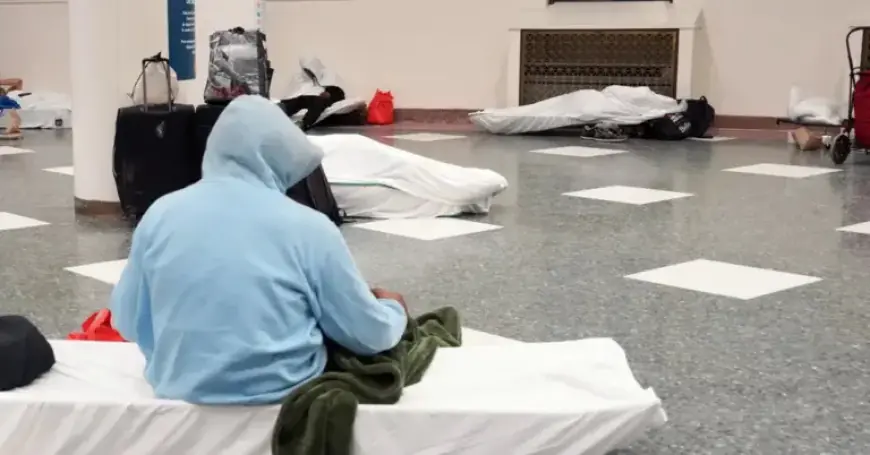
As temperatures in New York City plummeted this winter, the city activated warming centers to provide shelter for its homeless population. The Bellevue Warming Center, located on First Avenue, serves as a crucial refuge, housing individuals seeking respite from the bitter cold.
A Warm Night for Homeless New Yorkers: What It Entails
During a particularly frigid night, Paul Frink found shelter at Bellevue, joining 17 others on cots under fluorescent lights. Wrapped in layers of clothing, they sought warmth close to the frigid East River. In larger areas of the warming center, more individuals huddled under blankets, with their belongings stored in bags at their feet.
This winter’s relentless cold has proven deadly, with a recent cold snap claiming the lives of 18 individuals. The rising death toll presents a significant challenge for Mayor Zohran Mamdani. His administration aims to encourage homeless New Yorkers to utilize shelters and warming centers rather than remaining on the streets.
City Response to Extreme Cold
In response to the extreme weather, the city implemented a “Code Blue” status. This allows for more accessible shelter options as intake policies are relaxed, facilitating swift entry for those in need. The mayor emphasized that involuntary hospitalization would only be utilized for individuals posing a danger to themselves or others.
- Since January 19, city officials have involuntarily assisted 34 homeless individuals into shelters.
- Officials noted no immediate deaths occurred after individuals declined assistance from outreach workers.
- Nearly 4,000 visits were reported to warming facilities managed by Health & Hospitals and the Department of Social Services within weeks.
Warming centers throughout the city, including public schools, hospitals, and buses, remain open. Over the weekend, 65 such facilities provided refuge for New Yorkers escaping the cold. Some individuals expressed reluctance to enter traditional shelters, fearing for their safety and belongings.
Encouragement and Challenges
Many outreach workers and volunteers are actively assisting those in need. They work to encourage individuals to enter buses or shelters. Yet, some continue to brave the streets, preferring familiar environments over institutional settings. Steve Heron, a long-time drop-in center resident, described the struggle to convince others to seek safety and warmth.
Among the services offered in these centers are warm meals, showers, and access to personal care items. However, as capacity limits are reached, mobile warming units provide an alternative for those unable to find beds indoors. This season, the Bellevue site is one of the many accommodating the displaced.
Personal Stories of Resilience
Many individuals shared their experiences of seeking shelter. Paul Frink, 60, arrived in New York with little after experiencing theft at a bus terminal. He emphasized the need for improved facilities while also stating, “We have a clinic that opens in the morning. We’ll help find you housing,” according to Bellevue’s chief operating officer, Erfan Karim.
Despite challenges, the warming centers become temporary homes for many. With the harsh winter conditions, these facilities represent safety, warmth, and a chance for a better future for New York’s homeless population amid the unrelenting cold.