






















Clemency talk surrounds Ghislaine Maxwell after she pleads the Fifth in Congress

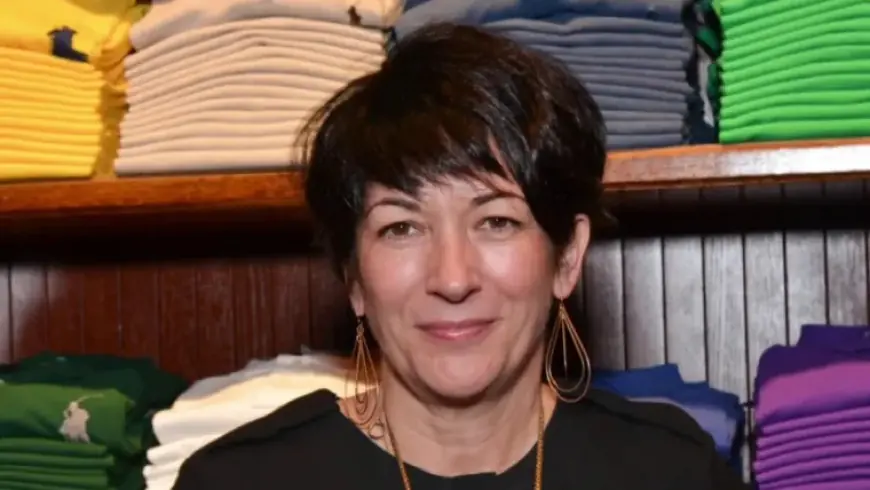
Ghislaine Maxwell’s push for clemency moved into sharper view on Monday, Feb. 9, 2026 (ET), after she declined to answer questions from House investigators and her attorney tied any fuller cooperation to presidential relief. The approach has triggered immediate backlash on Capitol Hill, while reviving debate over whether clemency can—or should—play a role in a case that remains one of the most politically combustible in recent years.
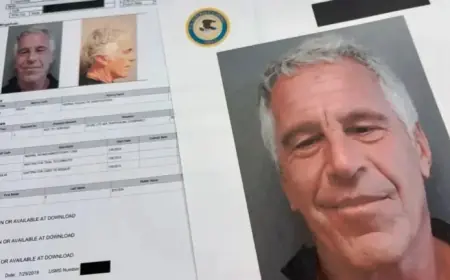
Maxwell is serving a 20-year federal prison sentence for sex trafficking-related crimes tied to Jeffrey Epstein. She is also pursuing an appeal, and the legal posture has become central to why she refused to answer lawmakers’ questions.
The deposition and the Fifth Amendment
House investigators sought Maxwell’s testimony in a closed session conducted by videoconference from the federal prison camp in Texas where she is incarcerated. Maxwell invoked her Fifth Amendment rights and declined to answer questions that could expose her to additional legal jeopardy.
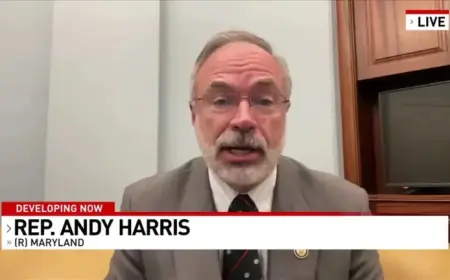
Committee leaders publicly expressed frustration after the session, saying they had hoped she would provide information about others who may have been involved in Epstein’s network and about how abuse allegations were handled over time. Democrats and Republicans alike framed her silence as a strategic move rather than a genuine inability to respond.
The clemency pitch and what it offered
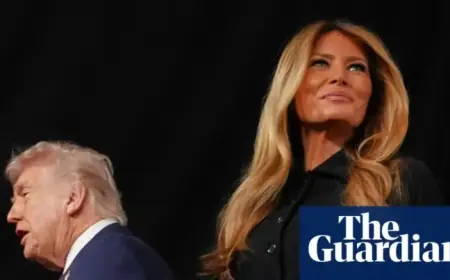
Maxwell’s attorney, David Oscar Markus, told lawmakers that she would be willing to testify more fully if President Donald Trump granted clemency—relief that could include reducing her sentence or ending it. The message was coupled with a claim that Maxwell could address lingering questions involving prominent political figures, including Trump and former President Bill Clinton, and that she would be prepared to state they did not do anything wrong in their connections with Epstein.
That offer has become the flashpoint: critics argue it resembles bargaining for freedom rather than cooperating with investigators. Supporters of hearing her out—still a minority in public commentary—point to the possibility that she could provide information that prosecutors did not present at trial or that was never tested publicly.
Why timing matters: files, subpoenas, and a renewed political fight
Maxwell’s clemency talk landed amid fresh scrutiny around Epstein-related records. Lawmakers have intensified oversight efforts after a federal release of Epstein-case documents to Congress, mandated by legislation passed in 2025. The disclosures have fueled new speculation but have not, in the materials discussed publicly so far, resolved the biggest question animating the investigation: who else, if anyone, can be held legally accountable.
At the same time, investigators are moving beyond documents toward testimony, issuing subpoenas and scheduling additional closed interviews. Maxwell’s refusal—paired with a clemency condition—creates a high-stakes standoff: lawmakers say they want information; Maxwell’s team says she cannot speak while her appeal is active unless she receives relief.
The legal baseline: conviction, sentence, and appeal posture
Maxwell was convicted in federal court in 2021 and sentenced on June 28, 2022, to 20 years in prison. Her legal team continues to pursue an appeal seeking to overturn the conviction and/or reduce her sentence, citing alleged trial and constitutional issues.
That appeal posture is the stated justification for pleading the Fifth during congressional questioning. Even without new criminal charges, testimony that conflicts with prior statements—or that touches potential ongoing investigations—can introduce legal risk. Still, lawmakers note that witnesses sometimes cooperate through negotiated arrangements, and they question whether “clemency first” is a legitimate condition for answering basic oversight questions.
What happens next: pressure, politics, and the clemency reality
Clemency in a case this prominent is politically fraught and procedurally uncertain. There is no public indication, as of Feb. 9 (ET), that the White House has committed to any action. The request also runs directly into the broader public and bipartisan anger that followed Maxwell’s conviction.
For Congress, the near-term options are limited: lawmakers can keep pressing other witnesses, continue document review, and highlight Maxwell’s refusal as part of their investigative narrative. For Maxwell, the strategy appears designed to maximize leverage—positioning herself as uniquely capable of answering questions while seeking an outcome that would dramatically change her incarceration.
Key points to track
-
Whether the White House comments on clemency in the coming days
-
Whether lawmakers pursue alternative routes to compel testimony or narrow questions
-
Any court developments in Maxwell’s appeal that could change her legal exposure
Sources consulted: Associated Press; The Washington Post; PBS NewsHour; U.S. Department of Justice