
















Olympic Medals Under Scrutiny: Four Athletes Report Breakage Issues


The 2026 Milan Cortina Winter Olympics have already seen multiple athletes experience issues with their medals. Four winners reported their hard-earned medals snapping, shattering, or splitting during the early days of the event. This alarming trend raises questions about the quality of the awards given to Olympic champions.
Medal Breakage Incidents
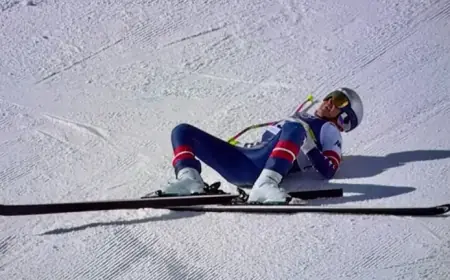
On the very first medal ceremony of the games, Team USA’s Breezy Johnson faced a disheartening issue. After winning the women’s downhill final by a narrow margin, her gold medal fractured into three pieces during the celebration. Johnson, filled with excitement, described the moment, saying, “I was jumping up and down in excitement, and it fell off.” She advised her fellow athletes to avoid jumping while wearing their medals to prevent similar mishaps.
In another incident, U.S. figure skater Alysa Liu also reported her team-event gold medal suffered damage. Liu shared a video on Instagram showing her team prize separated from its ribbon. She humorously stated, “My medal don’t need the ribbon.”
European Athletes Experience Similar Issues
Two European athletes encountered problems with their medals as well. German biathlete Justus Strelow famously lost his mixed relay bronze while celebrating; it detached from his neck during a team dance. After realizing it had snapped, he attempted to reattach the broken piece. The German biathlon team’s Instagram post humorously questioned the quality of the medals, asking, “Hey Olympics, what’s up with those medals?”
Meanwhile, Swedish cross-country skier Ebba Andersson shared that her skiathlon silver medal fell onto the snow and broke in two pieces. Anderson expressed concern, stating, “Now I hope the organizers have a ‘Plan B’ for broken medals.”
Organizers Respond
In light of these incidents, Olympic organizers held a press conference on Monday. Andrea Francisi, the chief games operations officer for the Milan Cortina organizing committee, confirmed they are aware of the situation and are investigating the causes of the medal breakage. He emphasized the importance of a positive experience for medal recipients, stating, “We are paying maximum attention to this matter.”
Currently, the U.S. Olympic and Paralympic Committee is awaiting further information from the organizers regarding whether replacement medals will be issued. According to reports, the breakage may be attributed to a flawed connection between the medal and the ribbon.
Potential Causes of Breakage
Sources indicate that the medals include a breakaway mechanism—required by law—designed to prevent choking if the cord is pulled too hard. This design could contribute to the detachment issues experienced by athletes. The 2026 Milan Cortina medals feature a unique design with two inclined halves, symbolizing the dual host cities.
Value of Olympic Medals
Despite their aesthetic appeal, these medals are considerably valuable. A gold medal, composed of 500 grams of sterling silver coated with 6 grams of pure gold, is estimated to be worth about $2,400, while a silver medal may cost nearly $1,400. The rising prices of precious metals have notably affected these values, more than doubling since the upcoming 2024 Summer Olympics in Paris.
Past Issues with Medal Deterioration
This is not the first time Olympic medals have faced scrutiny. After the 2024 Paris Olympics, over 220 medalists sought replacements due to deterioration, with American skateboarder Nyjah Huston commenting on the poor condition of his bronze medal. The French mint later assured athletes that any damaged medals would be replaced with identical engravings.
As the 2026 Milan Cortina Winter Olympics progresses, the focus on the quality and durability of awarded medals remains critical, underscoring the importance of the Olympic experience for athletes competing at the highest level.