
























Senate estimates hearings: accountability flashpoints from anti-corruption to Parliament House services

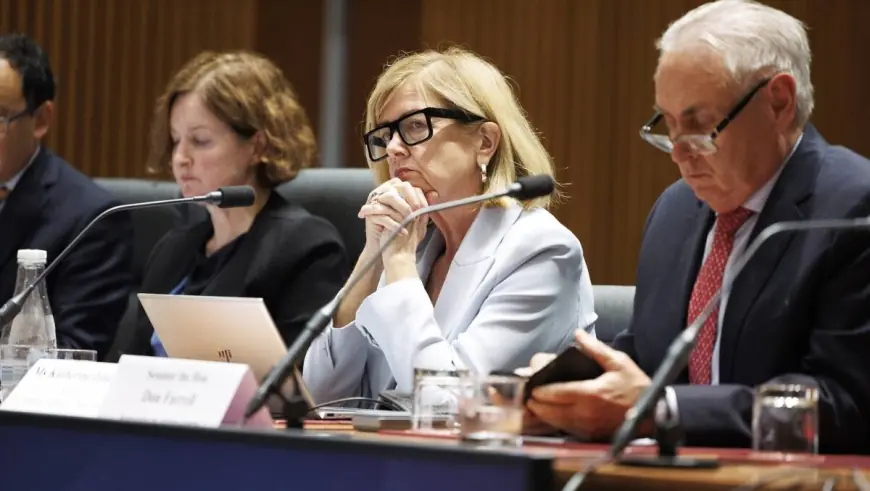
Australia’s February round of Senate estimates opened Monday, Feb. 9, 2026, with agencies facing rapid-fire questioning on everything from anti-corruption oversight and potential conflicts of interest to the day-to-day running of Parliament House. The hearings—part of the 2025–26 Additional Estimates round—come as the federal budget approaches and senators press departments for detail on spending, staffing, and decision-making.
While many exchanges were technical, several moments quickly broke through: fresh scrutiny of the National Anti-Corruption Commission leadership, questions about advice around a proposed inquiry into the Bondi attack, and a surprisingly pointed debate over health supplies in Parliament House facilities.
What Senate estimates is, and why it matters
Senate estimates is Parliament’s main forum for interrogating how government departments and agencies are using public money and exercising their powers. Senators question ministers and senior officials in committee hearings, seeking explanations for spending, policy implementation, staffing decisions, contracts, and governance issues.
This week’s Additional Estimates hearings run from Monday, Feb. 9 through Thursday, Feb. 12, 2026 (ET), with multiple committees examining portfolios including finance, public administration, legal affairs, and environment.
Anti-corruption watchdog leadership under spotlight
A major accountability thread on day one centered on the National Anti-Corruption Commission (NACC) and its commissioner, Paul Brereton. An independent inquiry has been launched into Brereton’s ongoing ties with the Australian Defence Force while leading the commission, raising questions about how potential conflicts were managed and what internal transparency processes were followed.
NACC executives and the inspector were expected to face questions at estimates about governance and recusal arrangements. The issue lands at a sensitive time for the commission, which has already drawn political scrutiny over how it handles referrals and public interest expectations. The inquiry’s existence—rather than its eventual findings—set the immediate tone: senators are probing whether integrity settings are robust enough for a body designed to police integrity across government.
Royal commission questions and legal advice
Another line of questioning focused on decision-making around a federal royal commission into the Bondi terror attack. Officials indicated the prime minister did not seek advice from the Attorney-General’s Department about whether to call a royal commission, despite public debate around what level of inquiry was appropriate.
That exchange sharpened a broader estimates theme: who provided advice, what form it took, and whether public statements aligned with internal processes. While the hearing did not settle the policy argument, it provided a clear accountability hook—estimates is often the only venue where these decision trails can be tested in public.
Parliament House: gym hours, suite upgrades, and a viral moment
Not all attention stayed on high-level governance. Senators also drilled into operational issues at Parliament House, including staffing hours at the parliamentary gym and the value-for-money case for a costly suite-upgrade project.
One exchange that caught wide attention involved questions about why condoms were reportedly available in one change-room area but not another, raising a basic equity question about health responsibility and facility provision. Parliamentary Services officials acknowledged the point and indicated it would be reviewed.
The moment became a shorthand for estimates’ peculiar power: the same hearing can pivot from millions in building works to mundane services, with both treated as legitimate matters of public administration.
Climate and finance portfolios face budget-season pressure
Committees also opened questioning across climate, environment, and finance portfolios, with senators pressing for clarity on spending priorities and program delivery as the May budget draws nearer. Early focus included how departments are managing staffing and operational pressures, and whether internal budget constraints are affecting service levels.
For ministers and agencies, the political risk is less about any single headline and more about accumulation: estimates can create a mosaic of small disclosures that, together, shape the narrative of competence and transparency going into budget season.
What to watch in the rest of the week
With multiple days remaining, several patterns typically emerge:
-
Follow-up questions on notice that force agencies to produce documents and precise figures after the hearing
-
Intensified focus on procurement and contracts, where timelines and dollar amounts can become political pressure points
-
Deeper probing of governance: recusal policies, advisory pathways, and who signed off on key decisions
The most consequential developments are likely to be procedural rather than theatrical—clarified timelines, written answers that lock in numbers, and any commitments to review practices flagged during testimony.
Sources consulted: Parliament of Australia, ABC News, The Guardian, The Canberra Times