

























Great Lakes Experience Severe Deep Freeze

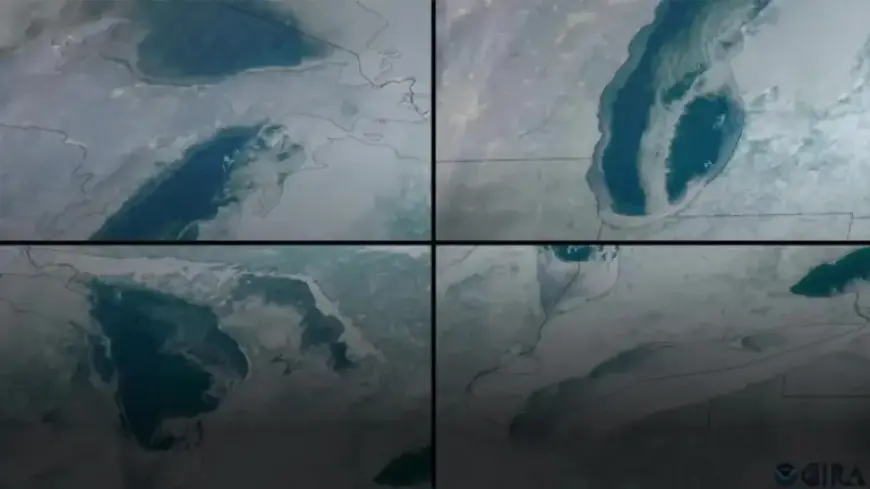
The Great Lakes region has recently experienced a significant deep freeze, impacting weather patterns and local environments. This extreme cold has led to a dramatic transformation across the landscape.
Severe Deep Freeze in the Great Lakes
As temperatures plummeted, many lakes in the area have become half-iced over, creating stunning winter scenery. This phenomenon is part of a broader cold wave affecting various states.
Weather Impact
- Date: February 4, 2026
- Northeast: Anticipating more snowfall on February 9, 2026
- Locations: Winter storms have notably affected the Carolinas and South Carolina, where unusual snowfall occurred.
The temperature fluctuations have also resulted in unexpected weather events. Florida, for instance, experienced record cold temperatures, which is unusual for its climate.
Effects of the Freeze
This deep freeze has disrupted normal weather patterns. In addition to snowfalls in several regions, power outages impacted around 300,000 residents. The rapid temperature changes caused significant challenges, especially in the Carolinas.
Communities are adjusting to harsh conditions, with reports of icy roads and winter storms creating obstacles to travel and daily life.
Environmental Changes
The Great Lakes’ ecosystems are feeling the effects as well. Areas like Niagara Falls have transformed into breathtaking winter vistas, showcasing impressive ice formations.
Looking Ahead
As winter continues, experts advise residents to prepare for ongoing cold temperatures and the possibility of more snow. Observations suggest that this extreme weather may persist, making it crucial for communities to stay informed and ready for action.
In summary, the Great Lakes region is currently enduring a severe deep freeze that is transforming landscapes and affecting weather systems throughout the area, with notable impacts on local communities and environments.


![Actor Rahul Arunoday Dies at Age [Insert Age]](https://www.filmogaz.com/uploads/images/202603/image_430x256_69c93e33b9251.webp)