
























Reject AI Companies’ Super Bowl Vision of the Future: Here’s Why

The recent Super Bowl featured a series of advertisements showcasing how artificial intelligence (AI) intends to reshape everyday life. Major players in the tech industry, including Microsoft, Google, and OpenAI, leveraged the event to present their visions of the future. These ads claimed their AI-driven products could solve various mundane challenges faced by consumers.
AI in Super Bowl Advertising
The advertisements presented by tech giants addressed issues such as:
- Speeding up spreadsheet generation
- Improving software coding processes
- Enhancing home decor planning
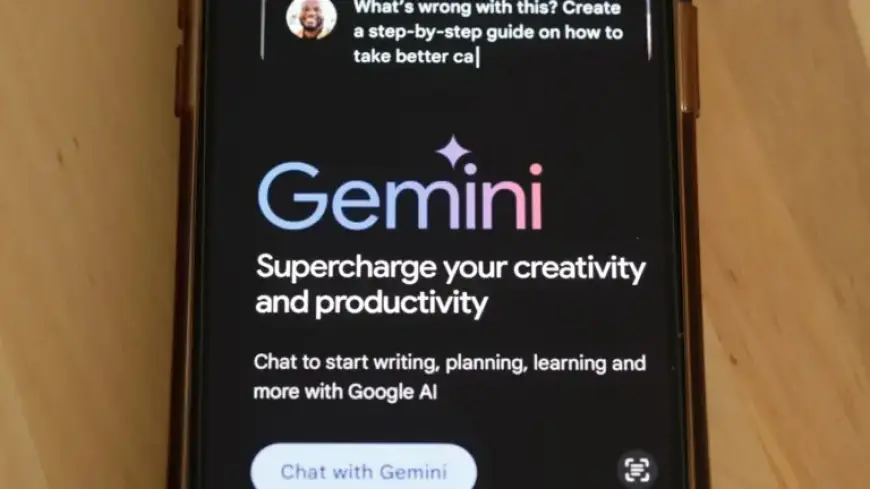
While the ads suggested that AI could effortless solutions, they also triggered discussions about the societal implications of such technology. For instance, Microsoft’s Copilot and OpenAI’s Codex promised to streamline work processes. On the other hand, Google’s Gemini aimed to create homes from the imagination.
Concerns and Insights on AI’s Role
Observers noted that these narratives often ignored significant issues surrounding AI, such as its potential impact on cognition and emotional development. The portrayal of AI as a panacea for all problems raised ethical questions. Ads featured celebrities like Chris Hemsworth promoting the supposed safety of AI while brushing aside real concerns about privacy and data security.
In contrast, one standout was Volkswagen’s ad, which harked back to its classic “Drivers Wanted” slogan. This ad emphasized human experiences over technology, reinforcing the notion that driving should remain a human activity rather than dominated by automation.
Public Reception and Reactions
The reaction to these AI-focused commercials was mixed. Many consumers expressed skepticism about the feasibility of AI replacing traditional human roles. A study indicated that around 25 million viewers saw one notable ad, but engagement levels were low, with only about 15 comments, many of which were critical.
Other companies, such as Sazerac, aimed to critique overreliance on algorithms through their campaigns. Their advertisement for Svedka vodka, featuring humorous characters, served as a reminder of the importance of human connection amid increasing automation.
The Future of AI and Consumer Relations
The rapid proliferation of AI technologies raises serious questions about our relationship with machines. Not only does AI offer potential benefits in fields like medicine and environmental studies, but it also poses risks regarding employment and personal interaction.
Industry leaders emphasize the need for a critical approach as consumers navigate this evolving landscape. Recognizing the possibility of rejecting inadequate AI applications could shape a more balanced tech scene. As audiences become more aware of the implications of AI, brands may need to rethink their strategies moving forward.