





















Jimmy Lai Receives 20-Year Sentence in Hong Kong National Security Case

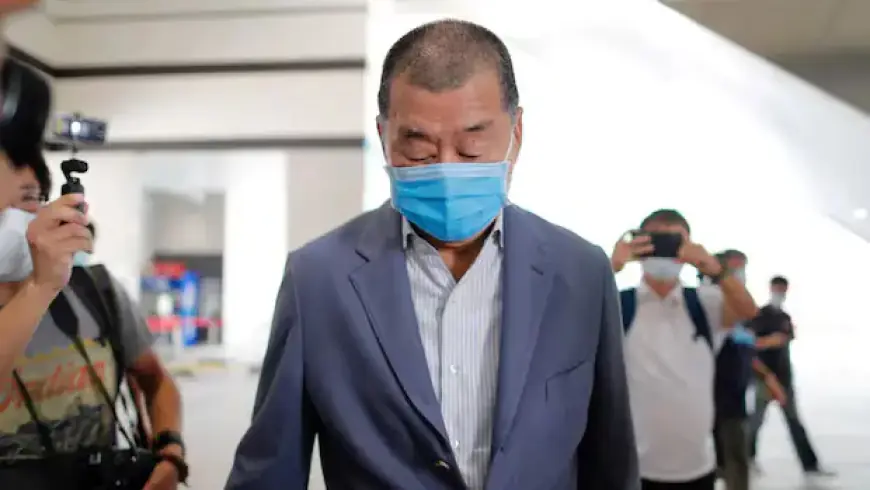
Jimmy Lai, a prominent pro-democracy activist and former media tycoon in Hong Kong, has been sentenced to 20 years in prison. This case marks a significant application of the national security law imposed by China, which has effectively stifled dissent in the city.
Details of the Sentencing
Judge Esther Toh announced that Lai’s sentence comprises 18 years for national security violations, to be served consecutively with a prior fraud sentence of five years and nine months. The court ruled on December 15 for these sentences after convictions for conspiring to collude with foreign forces and publishing seditious material.
- Lai, 78, was spared the possibility of a life sentence.
- His co-defendants faced sentences ranging from three years and three months to ten years.
This lengthy prison term may effectively keep Lai incarcerated for the remainder of his life, given his age. Before his sentencing, he displayed a serious demeanor in court, prompting emotional responses from supporters present.
Community Response and Implications
The ruling has sparked concern over the erosion of press freedom in Hong Kong. Notably, Cardinal Joseph Zen, a vocal advocate for democracy, was seen in court supporting Lai’s family during the proceedings. The government maintains that the case is not a matter of press freedom, claiming the defendants misused journalism as a cover for actions deemed harmful to China and Hong Kong.
- Lai was among the first high-profile figures arrested under the national security law in 2020.
- His newspaper, Apple Daily, was forced to close following police raids and asset freezes in June 2021, after which its final edition sold one million copies.
International Reactions
Internationally, Lai’s sentencing has heightened diplomatic tensions. The U.S. and U.K. governments have criticized the verdict. Former U.S. President Donald Trump expressed concern, revealing that he urged Chinese President Xi Jinping to consider releasing Lai.
British Prime Minister Keir Starmer’s administration has also called for Lai’s liberation, emphasizing his status as a British citizen. Meanwhile, Lai’s daughter, Claire, expressed hope for her father’s release, grounded in their shared Roman Catholic faith, declaring, “We will never stop fighting until he is free.”
Conclusion
The case of Jimmy Lai exemplifies the growing challenges to free expression in Hong Kong. As international scrutiny intensifies, the implications of this ruling will likely resonate well beyond the borders of the city.