





















Trump Criticizes Olympic Skier Hunter Hess for ‘Mixed Emotions’ on US Representation

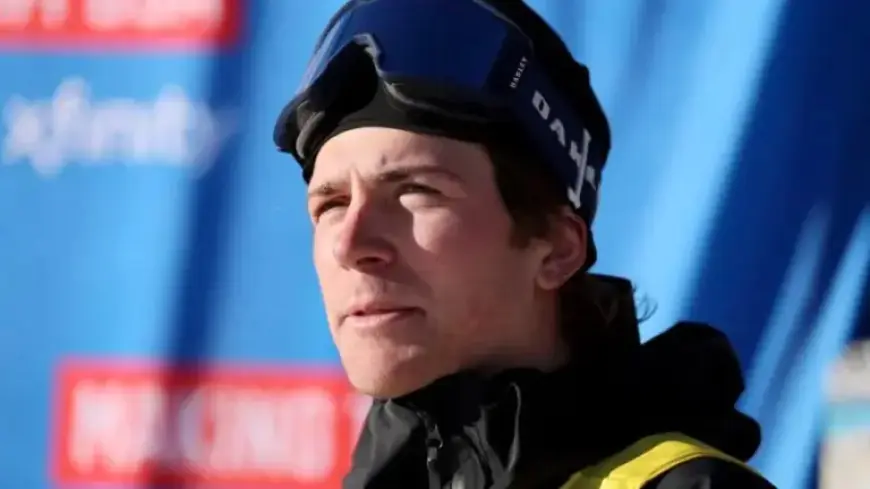
In a surprising turn of events at the Winter Olympics, President Donald Trump criticized Olympic skier Hunter Hess for expressing mixed feelings about representing the United States. Hess, who is originally from Bend, Oregon, stated during a recent press conference that wearing the American flag does not equate to endorsing every aspect of the country.
Trump’s Reaction to Hunter Hess
On Sunday, Trump took to Truth Social to label Hess a “real loser,” implying that athletes should express unwavering pride while representing their country. The president’s statement read, “If that’s the case, he shouldn’t have tried out for the Team.” Such remarks ignited a conversation about athletes’ responsibilities and their personal beliefs.
Hunter Hess’s Perspective on Representation
- Hess mentioned feeling conflicted but expressed his desire to represent friends and family.
- He stated, “I think for me, it’s more I’m representing my friends and family back home.”
Hess’s comments reflect a wider sentiment among some U.S. athletes concerning current political issues. Many are hesitant to voice their opinions publicly due to potential backlash, as illustrated by skier Chris Lillis, who spoke about the heartbreak caused by tensions surrounding federal immigration enforcement.
Team USA Responds
The U.S. Olympic and Paralympic Committee (USOPC) expressed its commitment to protecting athletes like Hess. A spokesperson stated, “Our focus is on Hunter’s protection and on ensuring he has the support and resources in place to compete on the world’s largest stage.”
Political Reactions and Advocacy
- Katie Miller, an ally of Trump, criticized Hess’s remarks on social media.
- Senator Bernie Sanders defended Hess, labeling him a “proud American.”
The backlash against Hess is not isolated; other athletes have also faced criticisms for discussing political issues. Amber Glenn, a figure skater, received hate messages after addressing political topics, showcasing a troubling trend of abuse directed at athletes for their viewpoints.
The political climate has had a palpable effect on athletes, with Quinn Dehlinger remarking on how sports can serve as a unifying force amid division. The USOPC stands behind its athletes, reaffirming its commitment to their safety during a volatile period for public figures in sports.
Conclusion
The exchange between Trump and Hess illustrates the ongoing struggle athletes face when merging their identities with political sentiments. As the Olympics continue, the spotlight remains on how sports and politics intersect in the global arena.