





















Bad Bunny-Themed Anti-ICE Towels: How They Reached the Super Bowl

Amidst the excitement of the Super Bowl, a unique piece of merchandise captured attention this year: Bad Bunny-themed anti-ICE towels. While not available for retail, these towels carried a significant message and were part of a larger protest against the U.S. Immigration and Customs Enforcement (ICE).
Distribution of Anti-ICE Towels at the Super Bowl
Before the Super Bowl, activists from the group Contra-ICE secretly distributed 15,000 towels to fans entering Levi’s Stadium in Santa Clara, California. Featuring artwork by Lalo Alcaraz, the towels displayed a charming bunny graphic on one side and the slogan “ICE OUT” on the reverse.
Bad Bunny’s Influence
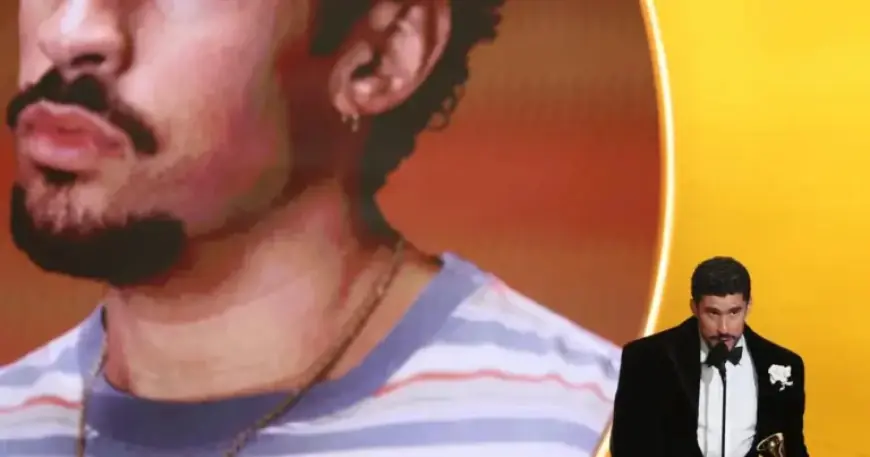
Bad Bunny, the Puerto Rican superstar and halftime show performer, played a crucial role in this demonstration. He recently utilized his platform to advocate for the Latino community and immigrants during the Grammy Awards, emphasizing, “We are humans and we are Americans.” His statements resonate deeply within the context of increased ICE raids and their impact on immigrant communities.
A Cultural Statement
- Activists sought to create visibility for their cause during a prominent cultural event.
- Boycotts and protests often emerge around major sports events, highlighting political issues.
- This year’s Super Bowl halftime show featured Bad Bunny, emphasizing Latin representation in mainstream culture.
Art and Activism
The towels serve both as protest tools and as art, with Alcaraz’s design signifying a stance against hate. He stated, “When injustice becomes part of everyday life, artists have a responsibility to make it visible.” This sentiment speaks to the growing movement of artists and activists using public platforms for social change.
Community and Visibility
The pre-game towel distribution was strategically planned. Activists gathered near high-traffic areas where both Patriots and Seahawks fans were entering the stadium. Approximately 50 volunteers participated, aiming to ensure that the towels would capture the attention of a vast television audience.
Backlash Against ICE
Past criticisms of ICE operations have led to increased awareness among communities across America. Beyond this protest, many artists, athletes, and fans share similar sentiments about the need for reform and protection of immigrant rights. Insistent public outrage against ICE’s practices has become a rallying point for many.
Conclusion
The combination of Bad Bunny’s performance and the distributed towels represented a powerful intersection of art and activism at one of America’s most-watched sporting events. As audiences tune in, the message of love and resistance against ICE resonates. With visuals like these towels, advocates hope to inspire further dialogue and action in support of immigrant rights.