

























High-Speed Rail Line to Strain Energy Grids Under Pressure

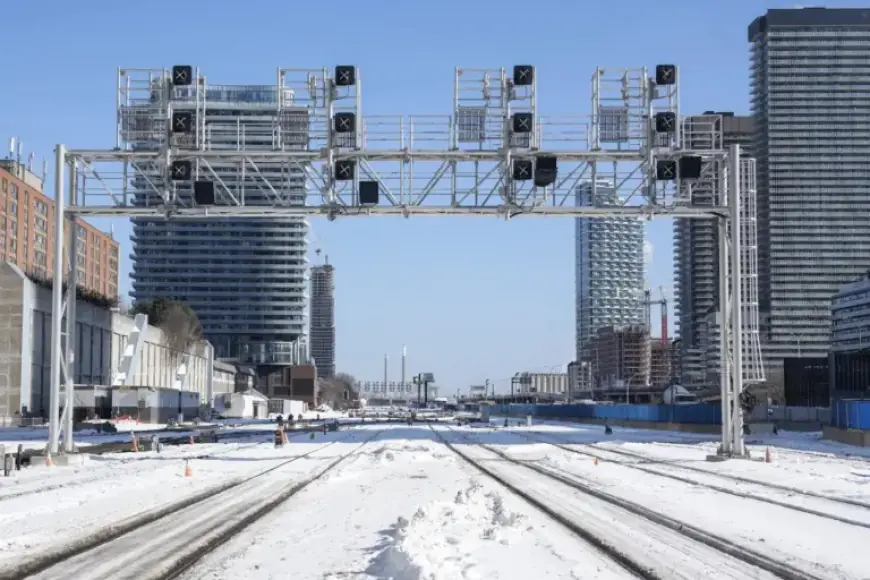
The ambition for high-speed rail travel between major Canadian cities is gathering momentum, as plans for a new project emerge. This high-speed rail corridor will connect Quebec City and Toronto, potentially accommodating 24 million passengers annually by 2055. The initiative aims to enhance economic growth, promote tourism, and reduce travel times via dedicated electric tracks.
High-Speed Rail Details
Projected to span approximately 1,000 kilometers, the rail line will feature up to 72 trains daily, achieving speeds of up to 300 km/h. This connectivity promises a swift three-hour journey between Canada’s two largest cities and a travel time of under one hour from Montreal to Ottawa.
Construction Timeline
Construction of the initial phase, linking Ottawa and Montreal, is anticipated to commence between 2029 and 2030. Under a public-private partnership framework, the project will be overseen by the Crown corporation Alto, with the consortium Cadence responsible for designing, building, and operating the rail line.
Energy Demand Concerns
As plans progress, the energy requirements to operate this rail system are under scrutiny. Alto’s CEO, Martin Imbleau, acknowledges the significant energy demands posed by this project. To address potential power shortages, discussions with Hydro-Québec are ongoing to ensure sufficient capacity.
- Electricity demand in Ontario is expected to surge by 75% by 2050.
- Hydro-Québec plans to double its capacity within the next 25 years.
- The rail line is estimated to consume between 1% and 3% of the current electrical capacity in Ontario and Quebec.
The data suggests that this demand is comparable to that of steel plants or large aluminum smelters, partly driven by the frequency of service and the high speeds of the trains. Operating at speeds nearing 300 km/h will require approximately double the power compared to standard electric trains.
Power Infrastructure Needs
To support the rail line’s energy needs, Imbleau anticipates establishing up to a dozen high-capacity substations. These substations will facilitate electricity transmission at varying voltages for the trains.
Current estimates indicate each train will need up to 50 megawatts of power. Such power requirements are substantial, likened to the energy consumption of a small town, raising questions about the capacity of the existing grid.
Electricity Sources
According to a 2023 study, a third of the required power is expected to come from Hydro-Québec, with the remainder sourced from Ontario’s Hydro One. Initial plans indicated a high-frequency rail service with lower speed requirements, which will need reevaluation due to the revised higher energy demands of the high-speed project.
Experts caution that with rising energy demands from various sectors, including electric vehicles and AI data centers, the urgency for enhanced energy capacity is critical. Notably, recent cold weather led Hydro-Québec to pause energy exports, highlighting existing strain on resources.
Environmental Considerations
While the shift to rail is expected to reduce emissions by decreasing reliance on cars and planes, the construction of the rail line will have environmental implications. The process will consume massive amounts of steel, and the overall carbon footprint during construction is a concern. Hence, achieving a significant ridership is vital to offset these emissions.
Though a precise budget and route have yet to be disclosed, estimates for the project’s total cost range from $60 billion to $90 billion. The government has not finalized funding decisions, and additional studies will clarify energy needs and infrastructure impacts.
Overall, the high-speed rail initiative represents a significant step towards enhancing public transit in Central Canada, but careful planning around energy supply and environmental impacts remains essential.