
























2026 Winter Olympics snowboarding: Livigno delivers early medals, bigger finals ahead

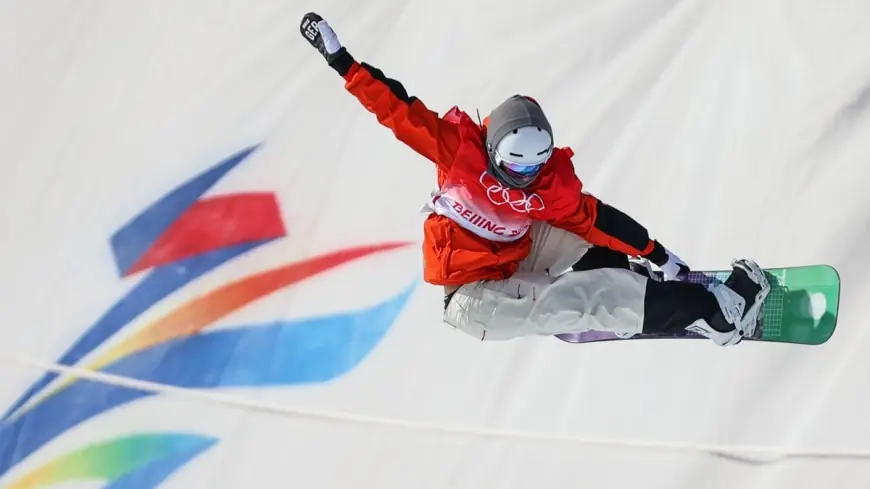
Snowboarding at the 2026 Winter Olympics is already producing headline moments in Livigno, with big air medals decided under floodlights and the next wave of finals arriving quickly across parallel racing, halfpipe, snowboard cross, and slopestyle. With the Games running through February 22, the sport’s schedule is stacked with medal events that can flip national standings in a single night.
The main Olympic snowboarding venue is the Livigno Snow Park in northern Italy, built for the sport’s biggest crowd events and its most technical tricks. Early competition has underscored why organizers leaned on Livigno: reliable infrastructure, a proven freestyle footprint, and a setting that works as well for TV spectacle as it does for athletes chasing perfect landings.
Where the snowboarding events are held
Most Olympic snowboarding competition is centered in Livigno, a high-alpine area that hosts multiple disciplines on purpose-built venues.
Livigno’s setup allows organizers to run a mix of freestyle and racing events without moving the snowboarding program far across the map. For athletes, that means fewer travel disruptions between training and competition; for viewers, it means a steady rhythm of finals from the same mountain zone.
What’s happened so far in the medal events
The first snowboarding medals of these Games have already landed, and they came fast.
Men’s big air was decided on Saturday, February 7 (ET), with Japan taking the top two spots. The final demanded two strong scores, rewarding riders who could combine high-difficulty spins with clean landings after a week of training where conditions and approach speed mattered.
On Sunday, February 8 (ET), the parallel giant slalom titles were decided. Austria’s Benjamin Karl defended his Olympic title in the men’s event, while Czech rider Zuzana Maderová captured gold on the women’s side in a result that surprised many observers heading into the bracket rounds.
The next key snowboarding finals to watch
Snowboarding’s Olympic story now shifts from early fireworks into the heart of the program: women’s big air, halfpipe, snowboard cross, and slopestyle. Several of the sport’s biggest medal swings tend to happen in these events because the margins are tiny and the formats reward both consistency and peak-risk execution.
Here are the major finals coming up next (ET):
| Event final | Date | Why it matters |
|---|---|---|
| Women’s Big Air | Mon, Feb. 9 | High-variance format where one elite landing can decide gold |
| Women’s Halfpipe | Thu, Feb. 12 | Classic marquee event with heavy medal expectations |
| Men’s Halfpipe | Fri, Feb. 13 | Deep field where amplitude + difficulty must match clean execution |
| Men’s Snowboard Cross | Thu, Feb. 12 | Contact-heavy racing where tactics and starts are everything |
| Women’s Snowboard Cross | Fri, Feb. 13 | Tight heats, big crashes possible, podiums can flip late |
| Mixed Team Snowboard Cross | Sun, Feb. 15 | Fast, chaotic, and built for drama with paired men/women runs |
| Women’s Slopestyle | Tue, Feb. 17 | Rail-to-jump flow that rewards creativity and risk control |
| Men’s Slopestyle | Wed, Feb. 18 | Often the trick-progression showcase of the entire program |
Big Air’s “two-run” pressure is shaping the Games
Big air’s Olympic format puts enormous weight on landing under pressure. Riders don’t need three great jumps; they need two. That pushes strategy: some athletes open with something safe to get a score on the board, then escalate. Others swing big early to set a ceiling and force the field to chase.
The first final showed how quickly a fall can change medal color. One missed landing can erase a night’s worth of momentum, even for a defending champion. That dynamic now carries into the women’s final, where consistency often separates podium teams from highlight-reel attempts that don’t score.
Parallel racing: tiny mistakes, brutal brackets
Parallel giant slalom is snowboarding’s purest duel format. Once brackets begin, the discipline becomes less about overall time and more about surviving heat-by-heat. A single late edge catch or a slightly wide line can decide a matchup, even for a favorite.
That’s why Sunday’s results matter beyond medals: they show how vulnerable top seeds can be once the racing becomes head-to-head. Expect similar volatility in snowboard cross, where contact, passing lanes, and start-gate execution often matter as much as raw speed.
Halfpipe and slopestyle: the program’s momentum makers
Halfpipe and slopestyle tend to become the snowboarding program’s “momentum makers” because they combine difficulty progression with the most recognizable visuals. A single run can define an Olympics for an athlete—and can also recalibrate what’s considered possible in the sport.
The most important competitive theme heading into pipe and slopestyle is risk selection. Athletes must balance amplitude, rotation, and grab quality against the cost of a fall. Olympic judging rewards difficulty, but only when the ride stays clean enough to look controlled.
What to watch for over the next week
With several finals clustered from February 9 through February 15, the snowboarding medal table could move quickly. Keep an eye on three practical factors:
-
Weather and visibility changes that can alter speed into jumps
-
Course tweaks after crashes or near-misses, especially in snowboard cross
-
Athletes doubling up across events, which tests recovery and consistency
Snowboarding’s early days in Livigno have already delivered surprises. The schedule ahead suggests the biggest defining runs are still to come.
Sources consulted: Olympics, International Ski and Snowboard Federation, Reuters, Canadian Olympic Committee