
























US Blockade Cripples Cuban Life, Causing Blackouts and Food Shortages

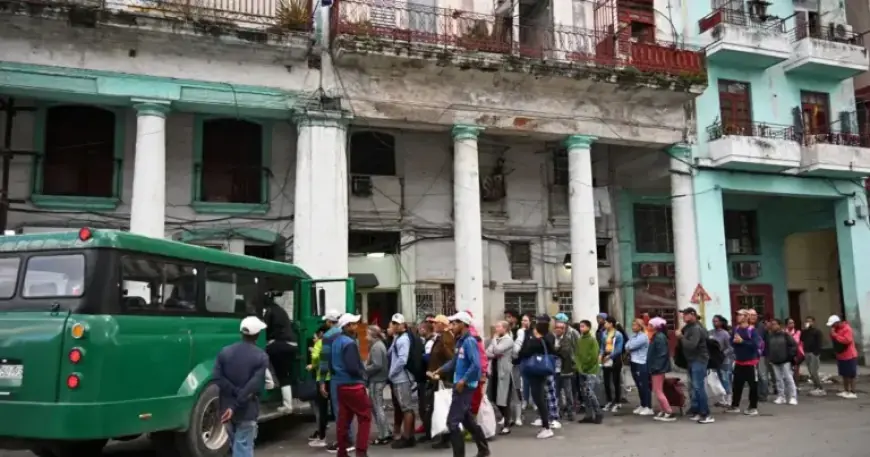
A recent US oil blockade is severely impacting daily life in Cuba. The blockade has resulted in a profound energy crisis, forcing the government to ration fuel and enforce substantial electricity cuts. The communist-ruled island, home to 11 million people, is experiencing empty bus stops and families resorting to traditional cooking methods using wood and coal. The situation has deteriorated significantly, fueled by recent measures from the Trump administration.
Emergency Measures in Cuba
Cuban President Miguel Diaz-Canel has implemented urgent restrictions to manage limited fuel resources. Deputy Prime Minister Oscar Perez-Oliva Fraga announced these emergency measures on state television, emphasizing the need to maintain basic services.
- State companies will adopt a four-day workweek.
- Transportation between provinces will be reduced.
- Main tourism facilities are closing down.
- School hours are shortened, and in-person university attendance is limited.
The government aims to prioritize fuel for essential services and critical economic activities such as public health and food production. Additionally, there are plans to invest in renewable energy sources as part of the long-term strategy.
US Blockade and Its Causes
The US blockade against Cuba has a long history, stemming from decades of sanctions that have devastated the Cuban economy. The blockade intensifies following the abduction of Venezuelan President Nicolás Maduro by US forces, leading to a halt in oil shipments from Venezuela, one of Cuba’s closest allies.
Under the Trump administration, the US has labeled Cuba a national security threat, imposing tariffs on nations that supply oil to the island. This has drastically reduced Cuba’s oil stock, leaving it with enough supplies for only 15 to 20 days at current demand levels.
Impact on Cuba’s Economy
Cuba’s energy needs are estimated at 100,000 barrels of crude oil per day. Until recently, Mexico was its largest oil supplier, contributing nearly 44% of imports, followed by Venezuela and Russia.
The impact of the blockade has led to widespread blackouts and heightened humanitarian concerns. The United Nations reports a significant rise in vulnerable situations among the Cuban population, with many suffering from persistent power outages.
International Responses
The UN has consistently called for an end to the US embargo against Cuba, advocating for dialogue and adherence to international law. UN officials in Cuba have expressed deep concern over the humanitarian crisis resulting from the blockade, highlighting the resilience of the Cuban people amidst significant challenges.
As the global community observes the unfolding situation, questions remain about how long Cuba can sustain itself under these mounting pressures. The future of energy and economic stability on the island hangs in the balance, as both Cuban authorities and the international community seek a path toward resolution.