

























WHO Confirms Fatal Nipah Virus Case in Bangladesh

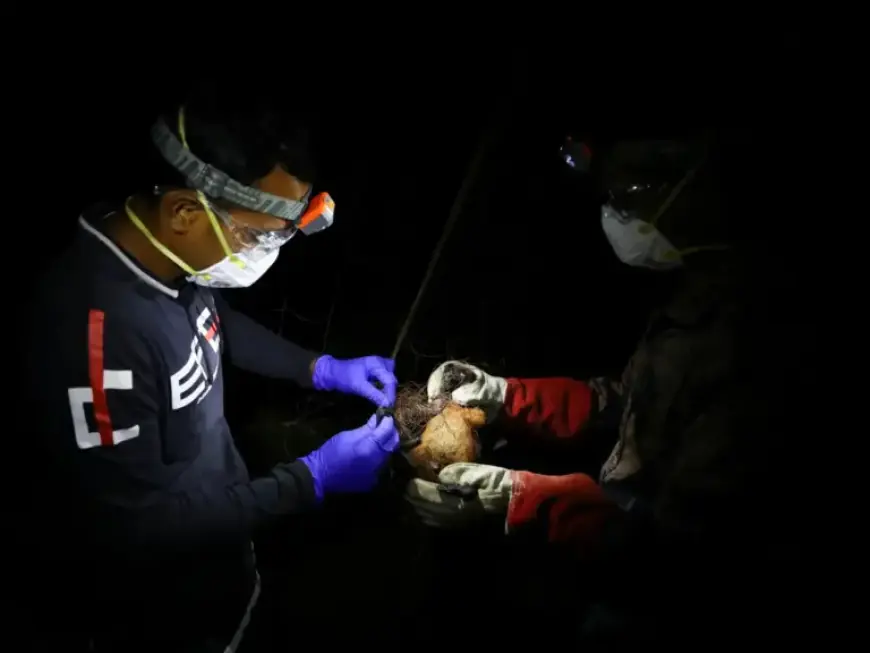
The World Health Organization (WHO) has reported a fatal case of the Nipah virus in Bangladesh, with low international spread risk. The infected patient, a female aged 40 to 50 from Naogaon district, died after being hospitalized on January 28. Virus infection was confirmed on January 29 after samples were collected.
Nipah Virus Outbreak in Bangladesh
On February 3, 2026, the International Health Regulations National Focal Point for Bangladesh alerted the WHO about a confirmed Nipah virus infection in the Rajshahi Division. This announcement follows recent cases in West Bengal, India, raising concerns about potential spread in Southeast Asia and China.
Current Situation and Health Measures
Despite the new infection, the WHO has assessed that the overall public health risk of Nipah virus remains low on national, regional, and global levels. Enhanced health screenings have been implemented at airports, although the WHO does not recommend travel or trade restrictions.
- The patient began showing symptoms, including fever and neurological issues, on January 21.
- No travel history was reported, but she had consumed raw date palm sap.
- To date, 35 contacts have been tested without any new infections emerging.
Historical Context of Nipah Virus in Bangladesh
Since 2001, Bangladesh has recorded approximately 348 cases of Nipah virus. About 50% of these cases involved individuals who had consumed raw palm sap. The virus outbreak typically occurs seasonally from December to April, coinciding with the sap harvesting period.
Risks and Prevention
Nipah virus carries a high fatality rate, estimated between 40% and 75%. Currently, there are no approved vaccines or treatments for this virus. WHO Chief Tedros Adhanom Ghebreyesus emphasized the need for increased disease surveillance and protective measures to combat this serious health threat.
Authorities are actively informing the public on preventive steps while enhancing health care protocols to manage the situation effectively.