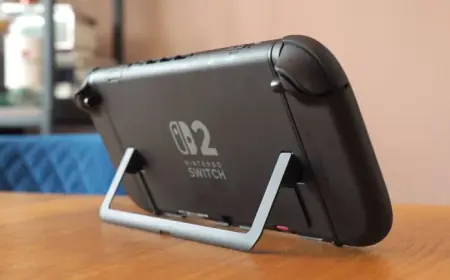

























Nintendo President Warns Switch 2 Price Faces Memory Cost Pressure Next Year

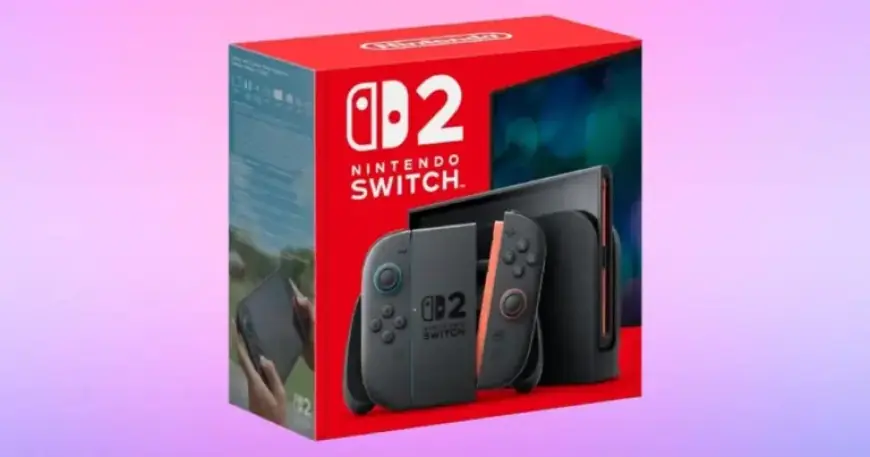
Nintendo’s financial outlook for its upcoming console, the Switch 2, faces potential challenges due to escalating memory costs. During a recent Q&A session with shareholders, President Shuntaro Furukawa addressed concerns regarding the impact of these price hikes on profitability and console pricing.
Memory Cost Pressures on Switch 2
In light of the rising memory costs, Furukawa acknowledged that while the Switch 2 has not yet felt the effects, future price adjustments may be necessary if this trend continues. He stated, “We do not disclose details regarding individual components, but we are actively working with our partners to secure a stable supply of memory components.”
Current and Future Profitability
- Memory price increases have not significantly impacted hardware profitability in the current fiscal quarter.
- No immediate impact is expected for the fourth quarter.
- If higher prices persist, it may pressure overall profitability moving forward.
Furukawa emphasized that any potential price changes for the Switch 2 will depend on a comprehensive assessment of various factors, such as the installed base, sales trends, and overall market conditions. “We will carefully evaluate market trends and respond accordingly,” he added.
Focus on Installed Base and Cost Reduction
When asked about Nintendo’s strategic focus for the Switch 2, Furukawa highlighted the importance of balancing profitability and expanding the console’s user base. He noted that the current rise in memory costs has exceeded expectations, complicating the company’s approach.
He stated, “We want to continue to reduce costs through mass production. The second and third years for Nintendo Switch 2 are crucial for expanding the installed base.” This expansion could lead to increased software sales, which are vital for long-term success.
Inventory Management Strategy
Concerns about unusually high inventory levels of the Switch 2 prompted questions from shareholders. Furukawa clarified that this was a proactive measure to address potential supply disruptions during the previous holiday season rather than a direct response to rising memory costs. “Our aim was to secure ample inventory for launch,” he explained.
- Production capacity was expanded post-launch to meet potential demand.
- Current inventory levels are a result of these strategic production decisions.
Industry-Wide Memory Cost Trends
The ongoing rise in memory prices is not unique to Nintendo. The increasing demands from AI data centers and the generative AI boom have created a strained supply chain, leading to widespread industry shifts. Other companies, such as Nvidia, are already adjusting their production strategies in response.
As the situation evolves, the future pricing and profitability of the Nintendo Switch 2 will largely depend on how external factors shape the semiconductor market. Nintendo remains committed to evaluating its position carefully as it navigates these challenges.