























Australia’s Ice Dance Team Shines: From Torvill and Dean to the Olympics

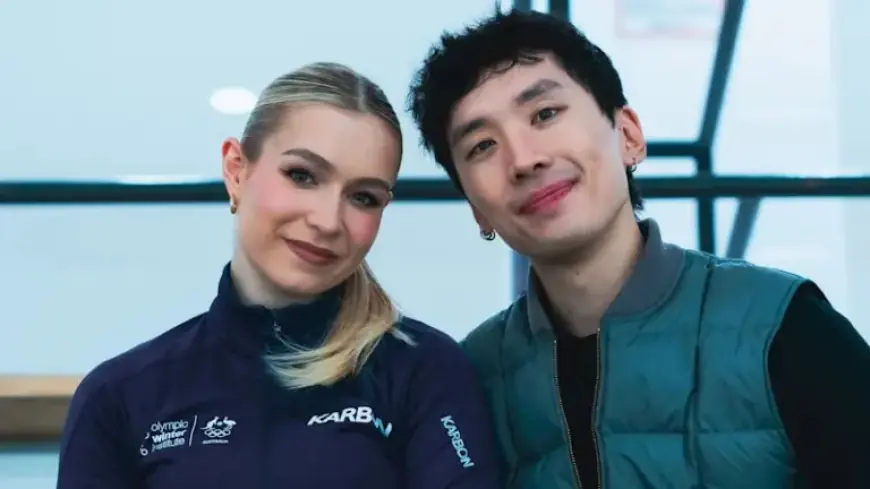
Holly Harris, an emerging star in Australian ice dance, has drawn inspiration from legendary figures in the sport, notably Torvill and Dean. Under the mentorship of Christopher Dean, one of the duo, Harris has honed her skills in Colorado Springs from age nine to thirteen. Although she initially aspired to compete in singles skating, a transformative experience with Dean shifted her perspective towards ice dance.
Australia’s Ice Dance Journey
Harris’s journey to the Olympic Games in Milano Cortina has not been without obstacles. She suffered multiple concussions throughout her career, beginning at age thirteen when an unobservant partner caused an accident during practice. This episode led her to rethink her aspirations in singles skating, where high-impact jumps and falls are commonplace.
New Partnerships and Olympic Aspirations
In pursuit of a safer and more enjoyable skating experience, she transitioned to ice dance, ultimately partnering with Jason Chan in 2019. Both athletes had previously experienced fluctuations in their careers but found synergy at the Ice Academy of Montreal, a top training center for ice dancers.
- Jason Chan: Joined Harris after switching from representing Canada to competing for Australia.
- Partnership Development: Their initial chemistry grew through experimentation and mutual understanding.
The pair made headlines by securing a gold medal at the Australian Championships in their first competition together. Their collaboration encapsulates a blend of strengths: Harris is meticulous, while Chan possesses a spontaneous flair.
Overcoming Challenges
Australia’s history in Olympic ice dance has been modest. It has only participated in this discipline on two previous occasions, with teams finishing near the bottom of the standings. Despite this, Harris and Chan have remained resolute in their pursuit of representing Australia on the Olympic stage.
During their qualification journey for the Beijing 2022 Games, they achieved a top 19 placement but narrowly missed automatic qualification due to the larger quotas of competing nations. However, they persisted and aimed for success at the qualifying event, “Skate to Milano.”
Artistry in Ice Dance
The ice dance discipline is characterized by rhythm and artistry rather than the high jumps of singles skating. Competitions feature two main components: the rhythm dance and the free dance. The rhythm dance requires skaters to perform within a themed structure, while the free dance offers greater creative freedom.
Harris and Chan’s innovative routines often blend contemporary music with personal storytelling, reflecting their growth as a team. This season, their rhythm dance is themed around the vibrant music styles of the 1990s.
Despite their gradual ascent, Harris and Chan face formidable competition. Judging in ice dance tends to focus on precision, performance, and emotional connection, setting a high standard for aspirants like them. Dean, who continues to mentor Harris, acknowledges the evolving technical demands of the sport, urging her to find the balance between artistry and athleticism.
The Road to Milano Cortina
As they gear up for the Winter Olympics, Harris and Chan approach their debut with cautious optimism. Though they are not favored medal contenders, their journey signifies a crucial step in establishing Australia’s presence in ice dance.
For Harris, the experience of competing at the Olympics is not just a personal dream but a chance to inspire future generations in Australian figure skating. With guidance from mentors and the support of their nation, they are poised to make their mark on the world stage.
“Ice is slippery,” as Harris often reminds herself, but this only fuels her determination to succeed. The Olympics present a new challenge, and they are committed to making every moment count.