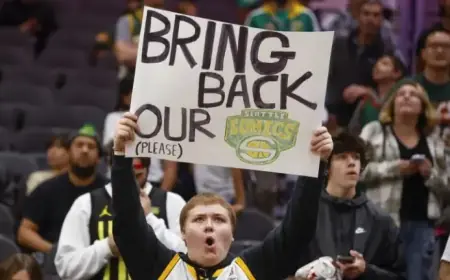

























Teams with No Motivation to Win


Recent trade developments have turned the spotlight on the Utah Jazz and their acquisition of Jaren Jackson Jr. This deal involves the Memphis Grizzlies trading Jackson for three future first-round picks, signaling a significant shift for both teams. The Jazz have been meticulously rebuilding, and Jackson’s arrival marks a proactive step in their strategy to enhance competitiveness.
Utah Jazz’s New Direction
Jaren Jackson Jr. is entering the first year of a four-year contract that extends through 2029. This gives the Jazz a solid foundation, joining Larry Markkanen, who is also under contract until 2029. The team aims to position itself with two cornerstone players who can potentially lead them into a more competitive era.
Concerns and Opportunities
- Jackson and Markkanen might not fit seamlessly into the same offensive scheme.
- Walker Kessler, a promising center, could command a significant salary in his next contract.
- The Jazz need to balance the financial commitments of their young roster.
The Jazz’s front court, which includes Jackson, Markkanen, and Kessler, could amount to a combined $120 million in contracts. While this investment reflects their ambitions, concerns remain regarding the fit of these players on the court.
Memphis Grizzlies’ Rebuilding Stage
On the other hand, the Memphis Grizzlies have indicated a full rebuild after the trade. They received valuable draft picks for Jackson, allowing them to re-evaluate their future, particularly with John Morant’s uncertain trade value. Reports suggest that Morant has become a negative trade asset, raising concerns about his future with the franchise.
The Impact of Tanking Teams
The recent trade dynamics have ignited discussions about teams with minimal motivation to win. The Utah Jazz and other franchises, including the Washington Wizards and Dallas Mavericks, are seen as “incentivized to lose.” This trend may lead to a lengthy period of tanking in the NBA, affecting overall league competitiveness.
- Teams like the Jazz are focused on building depth rather than immediate success.
- The smaller market teams often feel pressured to tank due to limitations in free agency options.
- League response to tanking practices is necessary to maintain competitive balance.
As the Jazz and Grizzlies navigate their new directions, the evolving landscape of the NBA reflects a critical juncture. With multiple teams opting for tanking as a viable strategy, the need for adjustments in league rules becomes increasingly apparent. This situation could have long-term implications for player movements and team strategies across the league.