





















Determining Liability for Snow and Ice Slip-and-Fall Injuries

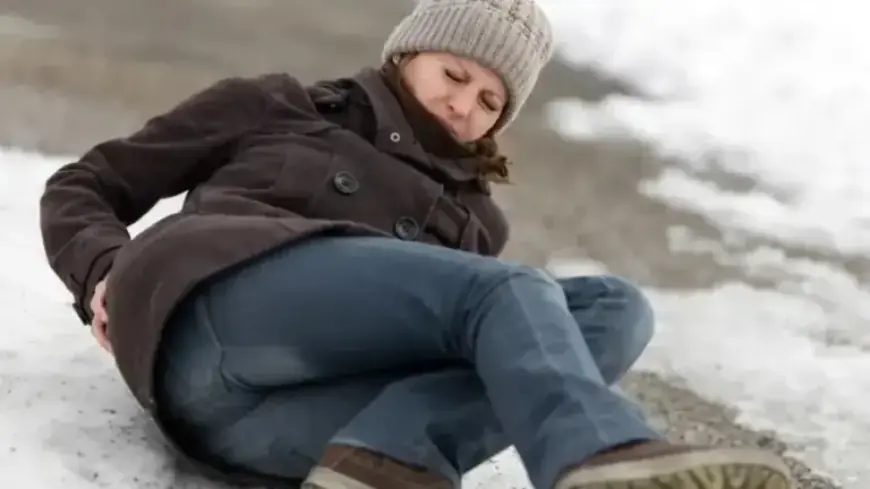
Winter transforms landscapes, but in regions like New York’s Capital Region, it also presents considerable hazards for pedestrians. Snow and ice accumulate on sidewalks, parking lots, and walkways, creating slippery surfaces that can lead to injuries. A significant question arises: Who is responsible for slip-and-fall injuries caused by snow and ice?
Understanding Liability for Snow and Ice Slip-and-Fall Injuries
Legal expert Andrew Finkelstein emphasizes that property owners carry a fundamental responsibility to maintain safe premises. This includes addressing hazardous conditions resulting from snow and ice. It’s crucial to note that liability does not take effect immediately.
Timing of Liability
The obligation to clear snow and ice kicks in after a snowfall has ended. Property owners are not expected to manage their premises during an active snowstorm. Once the storm has passed, they have a reasonable amount of time to carry out snow and ice removal safely.
Role of Snow Removal Contractors
Many property owners hire snow removal contractors to handle these tasks. Typically, these contractors owe their duty to the property owner who employs them. They can only be held accountable if they worsen existing hazardous conditions.
Common Hazards Created by Improper Snow Piling
Improperly piled snow can lead to severe icy conditions. For instance, snow accumulated at the top of a hill can melt during the day and freeze overnight. This results in slick ice patches that can extend into parking areas, posing risks to pedestrians.
- Pedestrians should remain vigilant, especially near large snow piles.
- Ice hazards may lurk close to walkways and parking areas, increasing the risk of falls.
Conclusion
Determining liability for slip-and-fall injuries caused by snow and ice is vital for both property owners and pedestrians. Both parties need to acknowledge the dangers posed during winter months. Ensuring safety requires a unified effort and awareness of the risks associated with snow and ice.