























Cuba Implements Emergency Measures Amid Energy Crisis, Adopts Four-Day Workweek

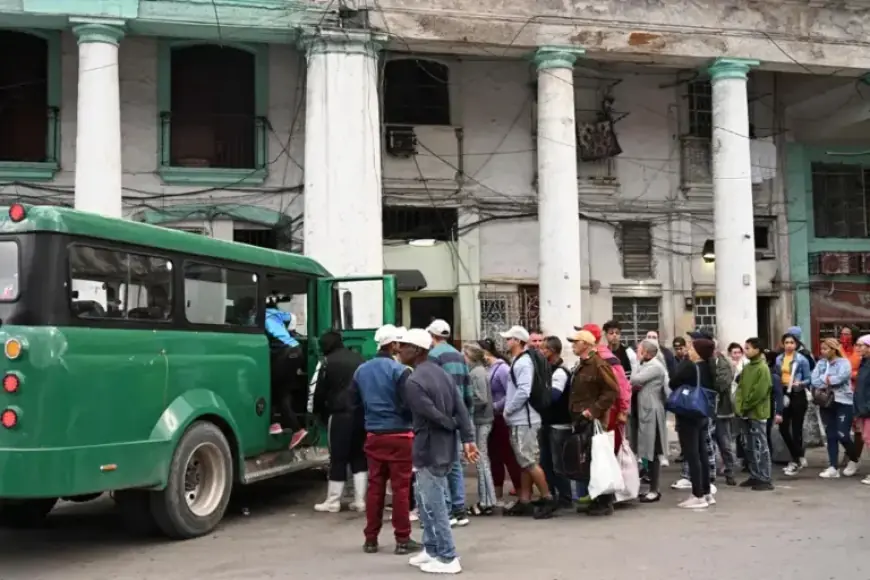
The Cuban government has initiated a series of emergency measures in response to an ongoing energy crisis, compounded by external pressures. These measures include the adoption of a four-day workweek and enhanced teleworking protocols. This decision aims to ensure essential services remain operational amid challenging circumstances.
Cuba’s Emergency Measures to Combat Energy Crisis
On a recent announcement made by Vice Prime Minister Oscar Pérez-Oliva Fraga, the Cuban government shared plans to prioritize the country’s stability and essential services. With the energy situation under scrutiny due to increasing American pressure, a comprehensive package of measures was introduced.
Key Measures Implemented
- Reduction of the workweek to four days for state administrations and businesses.
- Increased allowance for telework to minimize operational hours.
- Restrictions on fuel sales to conserve resources.
- Reduction in public transportation services, including buses and trains.
- Temporary closure of select tourist establishments.
Additionally, the educational system will undergo adjustments, with shorter class days and universities transitioning to a semi-present mode. Employees, such as those in banking, will continue to receive full wages during these adjustments, providing some financial stability amid the crisis.
Objectives of the New Policies
The Cuban authorities aim to conserve fuel to enhance food production and electricity generation. These changes are critical for preserving essential economic activities. Despite the challenges, investments in renewable energy sources will continue, with an emphasis on increasing national oil production, which currently satisfies 30% of the country’s energy consumption.
| Year | Number of Photovoltaic Parks | Solar Energy Production Percentage |
|---|---|---|
| 2025 | 49 | 10% |
| 2021 | – | 3% |
President Miguel Díaz-Canel highlighted the difficulties ahead for the Cuban population, referencing historical parallels to the “Special Period” following the Soviet Union’s collapse in 1991. This era was characterized by severe hardships, including widespread power outages and food shortages.
The Cuban economy, already strained under a U.S. embargo since 1962, had witnessed some recovery from 1997 due to tourism and foreign investments. However, tensions have escalated, notably after the recent withdrawal of Venezuelan oil support, which further complicates the energy situation in Cuba.
U.S. policies, aimed at exerting pressure on Cuba, have intensified sanctions and potential tariffs on countries supplying oil to the nation. The Cuban government accuses the U.S. of trying to “suffocate” its economy, framing this ongoing conflict as a significant threat to the island’s stability.
As Cuba navigates these tumultuous times, the implementation of emergency measures reflects a proactive approach to managing an energy crisis that poses severe challenges for its citizens and economy.