
























Armenian Speaker Vows to Repatriate Slain Chechen Woman’s Body

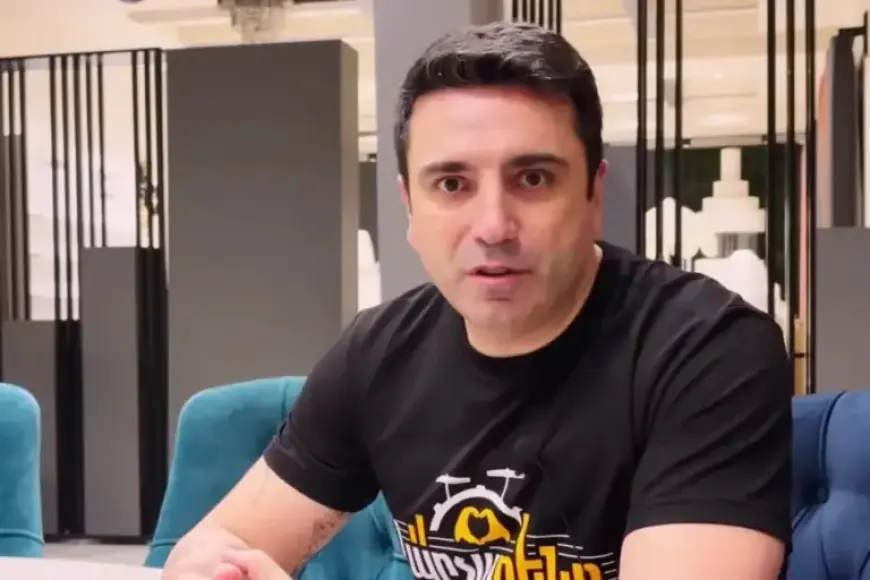
The body of Aishat Baimuradova, a Chechen woman found murdered in Yerevan in late 2025, remains at the center of a complex legal and humanitarian issue. Armenian Parliamentary Speaker Alen Simonyan has pledged support to facilitate the transfer of her remains to human rights activists for burial. This announcement came during a broadcast on the Russian television channel, Dozhd (TV Rain).
Background of Aishat Baimuradova’s Death
Baimuradova was tragically killed in October 2025, following a meeting with a friend with known connections to Chechen leader Ramzan Kadyrov. Since her death, her remains have been stored in an Armenian morgue.
Legal Obstacles to Repatriation
Human rights activists have encountered challenges when seeking to obtain Baimuradova’s body. The Armenian authorities have cited legal norms requiring that deceased bodies be released only to relatives. In this case, Baimuradova’s mother is considered her closest living relative. However, since childhood, Baimuradova has had little to no contact with her mother.
- Mother: Considered next of kin but possibly unwilling or unable to arrange the burial.
- Husband/Father: They could potentially claim the body, but Baimuradova had previously fled from violence associated with these relatives.
Continued Investigations into the Murder
Simonyan confirmed that Armenian law enforcement continues to investigate Baimuradova’s murder, though no specific updates were provided on the case’s progress. Early reports suggest that individuals connected to Chechen authorities may have orchestrated the killing and departed Armenia shortly afterward.
In mid-January 2026, journalists from Dozhd accessed the morgue housing Baimuradova’s body. Forensic experts informed them that her remains would require a sealed zinc coffin for burial due to the condition of the body at the time of discovery.
Public Response and Future Steps
In his comments, Simonyan expressed his willingness to assist the activists involved in the case. He encouraged them to contact his office directly for support in organizing the body’s transfer. His assurance underscores the need for action and highlights the broader implications surrounding human rights and legal accountability in this sensitive case.
The situation surrounding Aishat Baimuradova’s body remains unresolved, with continued calls from activists for the Armenian government to take action.