

























Bosnia’s River Faces Renewed Threat from Plastic and Medical Waste

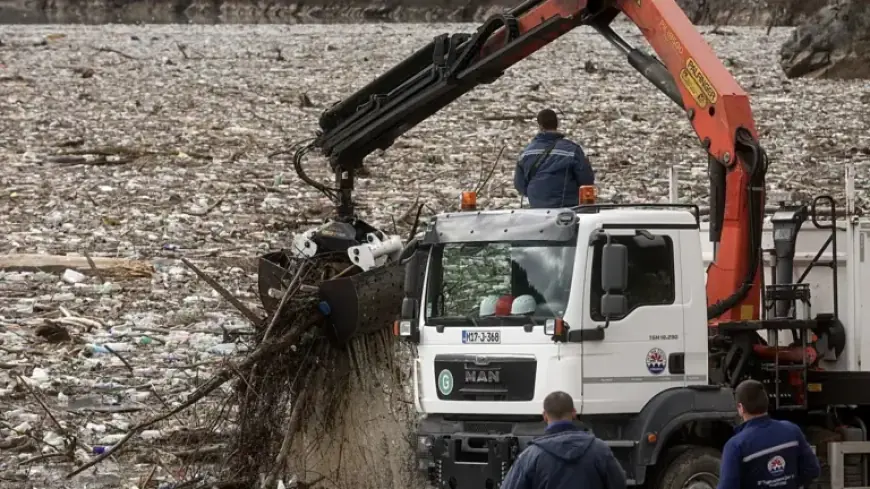
Bosnia and Herzegovina is grappling with a significant environmental issue as the winter season approaches. The Visegrad hydro plant is currently overwhelmed by an influx of waste, including plastic, furniture, and medical refuse.
Renewed Threat from Plastic and Medical Waste
Every year, thousands of cubic meters of debris accumulate behind the hydro plant’s barrier. Recent data indicates that approximately 5,000 to 6,000 cubic meters of waste arrive from illegal dumps located in Bosnia, Serbia, and Montenegro. This annual crisis poses serious ecological challenges.
Environmental Impact and Health Concerns
Since late January, heavy machinery has been deployed to clear the Drina River. Despite ongoing efforts, local activists argue that the same situation occurs annually, signifying a systemic issue rather than a temporary problem.
- Location: Visegrad hydro plant
- Types of waste: Plastic, furniture, medical waste
- Estimated waste volume: 5,000 to 6,000 cubic meters per season
- Duration of cleanup: Expected to last at least six months
- Frequency of issue: Recurring for over 20 years
The dumped waste ultimately is incinerated at Visegrad’s landfill, raising significant health alarms among the local population. Furthermore, community groups emphasize that ongoing pollution threatens the region’s tourism, urging for a regional approach to combat this pressing issue.
Call for Action
Activists advocate for stricter regulations and cleanup measures. They stress the importance of collaborative action from all affected neighboring countries to prevent further waste dumping in the Drina River. Without decisive action, the pattern of waste accumulation and its detrimental effects on the environment and local economies will continue.