






















Rotten Tomatoes Confirms Authenticity of ‘Melania’ 99% Audience Score

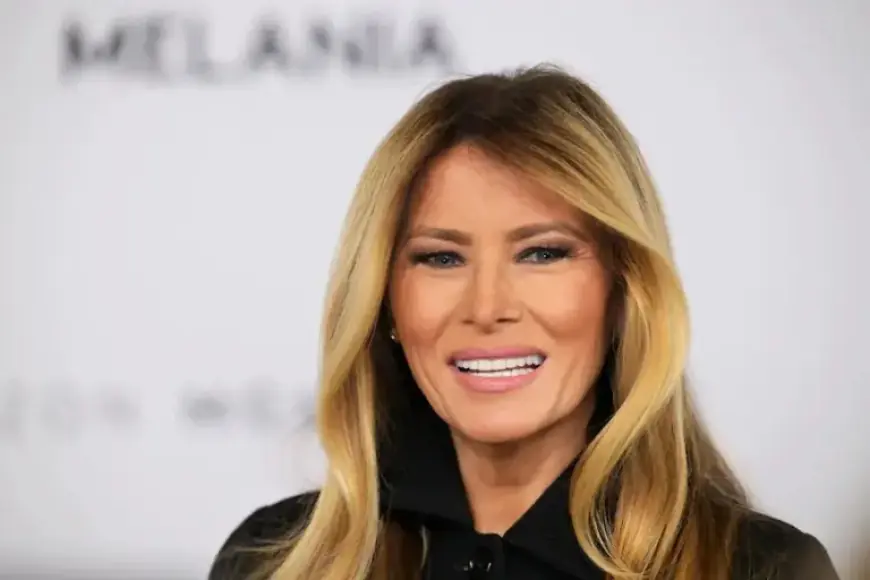
The documentary “Melania,” directed by Brett Ratner, continues to stir controversy with its strikingly contrasting review scores on Rotten Tomatoes. Recently, the film achieved a 99% audience score, while critics rated it significantly lower at just 7%. The disparity in scores has prompted speculation about potential audience manipulation.
Rotten Tomatoes Responds to Audience Score Concerns
Versant, the parent company of Rotten Tomatoes, has publicly denied any allegations of score tampering. In a statement, they confirmed that the audience reviews for “Melania” are verified, indicating that users had indeed purchased tickets to see the film. This assertion aims to quell fears surrounding the authenticity of the high audience rating.
Documentary Reception and Box Office Performance
“Melania” debuted with a respectable $7 million at the domestic box office. Although this figure is seen as a solid opening for a documentary, it falls short of the $40 million acquisition price and $35 million marketing budget spent by Amazon. The film explores the twenty days leading up to Donald Trump’s second inauguration, focusing on Melania Trump’s experiences.
Audience Demographics
- 72% of the audience during the opening weekend were female.
- 83% were over the age of 45.
- Nearly 75% of ticket buyers identified as white.
Media Commentary and Public Reactions
The film’s rating has captured media attention, with personalities like Jimmy Kimmel questioning the credibility of the audience score. In a recent monologue, Kimmel humorously compared the ratings, noting that “Melania” has a lower critics’ score than the infamous film “Gigli,” yet a higher audience score than “The Godfather.” He jokingly called for a thorough investigation into the matter.
As reported by Rolling Stone, “Melania” holds the record for the largest gap between critic and audience scores in Rotten Tomatoes history. With discussions surrounding the film continuing, its unique reception raises questions about audience engagement and the influence of social media algorithms in shaping popular opinions.