






















Artists withdraw from Kid Rock’s Rock the Country—why Shinedown says it’s leaving, and how politics-fueled criticism is shaping the lineup

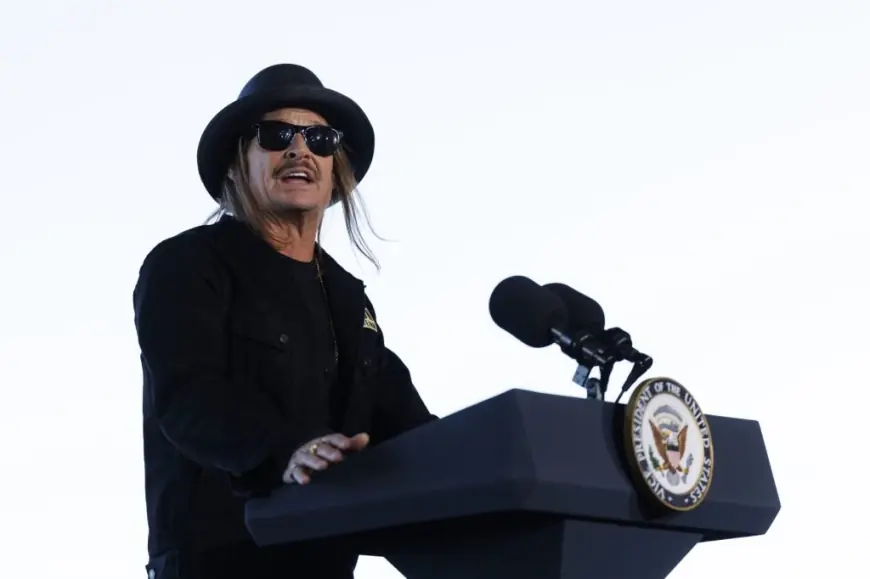
A traveling, small-town festival built around patriotic branding and big cross-genre headliners is now facing a different kind of momentum: repeated lineup exits. On Friday, Feb. 6, 2026 (ET), Shinedown became the fourth act to pull out of Kid Rock’s Rock the Country, saying the event’s growing political baggage risks turning concerts into another front in the culture war.
The departures are reshaping how fans — and artists’ teams — assess the tour: less as a straightforward multi-date booking and more as a referendum on identity politics, audience expectations, and brand risk.
Why Shinedown says it’s leaving
Shinedown framed its decision as a values call rather than a logistical issue. In a statement shared Friday morning, the band said it sees itself as “everyone’s band,” adding that its purpose is to “unite, not divide,” and that it doesn’t want to participate in something it believes “will create further division.”
That language is notable for what it avoids: Shinedown didn’t accuse organizers of wrongdoing, didn’t target another performer, and didn’t cite safety concerns. Instead, it signaled discomfort with the atmosphere surrounding the tour — a key distinction in an industry where cancelations typically hinge on scheduling conflicts, health, or contract disputes.
The band’s exit also landed awkwardly against a recent comment from drummer Barry Kerch, who criticized an earlier departure and suggested politics should be kept out of the music. That contrast — “just play the show” versus “we won’t play this show” — is one reason the story has traveled beyond the festival circuit.
The withdrawals that set the stage
Before Shinedown’s announcement, three artists had already dropped off the bill:
-
Ludacris: His representative said the booking was a misunderstanding and that he wasn’t supposed to be on the lineup in the first place.
-
Morgan Wade: Quietly removed from at least some promotional materials without a public explanation.
-
Carter Faith: Also pulled out without a public statement.
Those exits created a pattern that made Shinedown’s choice feel less isolated: once a festival is labeled politically charged, the next artist’s team has to decide whether silence looks like consent, and whether playing a date becomes part of a narrative they don’t control.
How politics-fueled criticism is shaping the lineup
Rock the Country is promoted as a celebration tied to America’s 250th anniversary, with messaging about “hard-working” patriotism and small-town pride. But critics have increasingly framed it as a partisan-coded event because of the public political profiles of its top headliners — especially Kid Rock, and also Jason Aldean.
That association matters in two ways:
-
Audience sorting: Even if most ticket buyers just want a weekend of music, a “MAGA fest” label can encourage tribal attendance — turning the crowd into a mix of fans and culture-war participants.
-
Artist brand risk: For artists with broad, mixed audiences, playing can look like taking a side. For artists with carefully curated sponsor relationships, it can create friction with partners who prefer to avoid overt politics.
-
Online amplification: The blowback tends to arrive faster than the nuance. A booking announcement can trigger instant backlash, while “why” is debated afterward — often with the artist’s statement, or lack of one, used as evidence by both sides.
The net effect: lineup decisions are being made not only on draw and routing, but also on the likely reaction cycle.
Dates, cancelations, and what’s happening with tickets
Shinedown’s departure had an immediate operational consequence: the Anderson, South Carolina stop was canceled, with ticketholders told the change stemmed from “unforeseen circumstances.” Options offered to fans included transferring to another date or receiving refunds.
The tour is still slated to run May through September 2026 in multiple cities, with different lineups by stop. That rotating structure is helpful for resilience — it limits how much any single withdrawal disrupts the whole run — but it also makes the tour vulnerable to a domino effect: if a few more mid-to-top-tier names leave specific dates, those weekends can become financially shaky.
What to watch next
The next developments will likely be practical, not rhetorical:
-
Whether additional acts — especially those with crossover audiences — decide the controversy isn’t worth the hassle.
-
Whether organizers adjust marketing to emphasize music over politics, or lean further into the “movement” framing that critics react to.
-
Whether more dates face restructuring if co-headliners or major undercard draws drop off.
Shinedown’s statement wasn’t a protest speech. It was a risk calculation — and a sign that, for some artists, the safest way to keep music unifying is to avoid stages where the crowd is primed to argue before the first chord.
Sources consulted: Loudwire, Parade, Taste of Country, Country Now